Sports Gym Bag vs Duffel Bag A Manufacturer's Guide to Choosing the Right Gym Bag Design

When sourcing bags for retail, fitness brands, or corporate clients, one of the most common questions is: Sports gym bag or duffel bag — which one should I stock?


At first glance, they look similar. But as a bag manufacturer with years of experience in the active lifestyle market, we can tell you: the difference goes far beyond appearance. Understanding it is essential to offering products that truly meet your customers' needs.

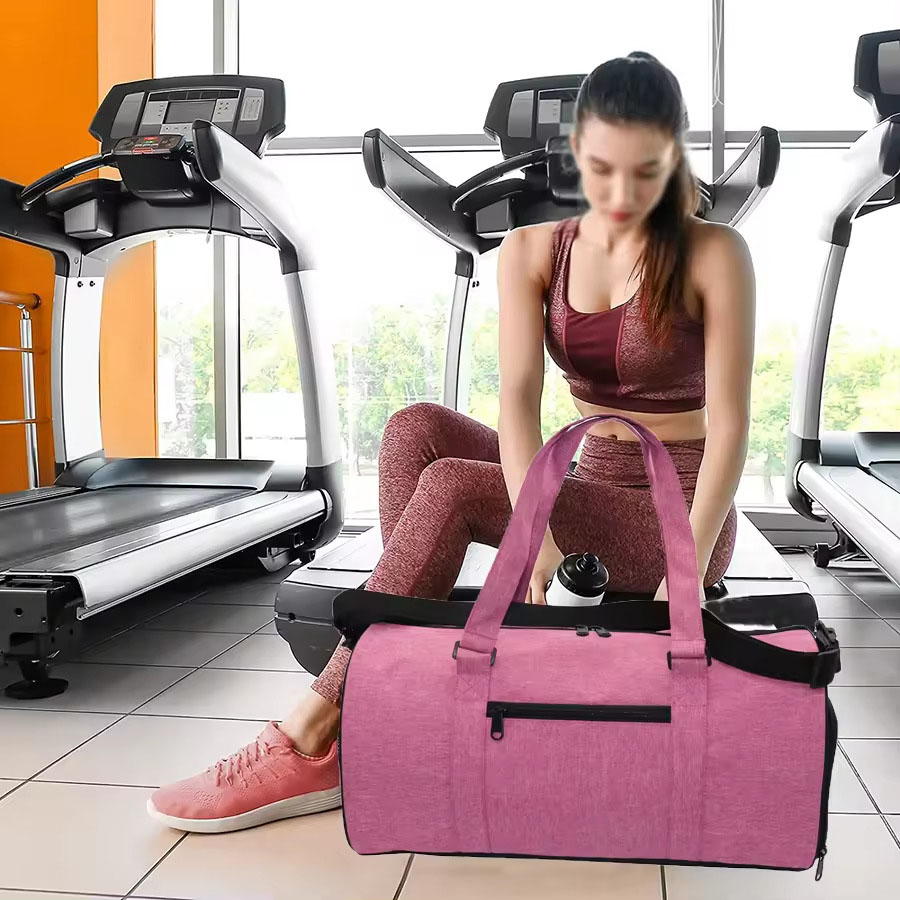
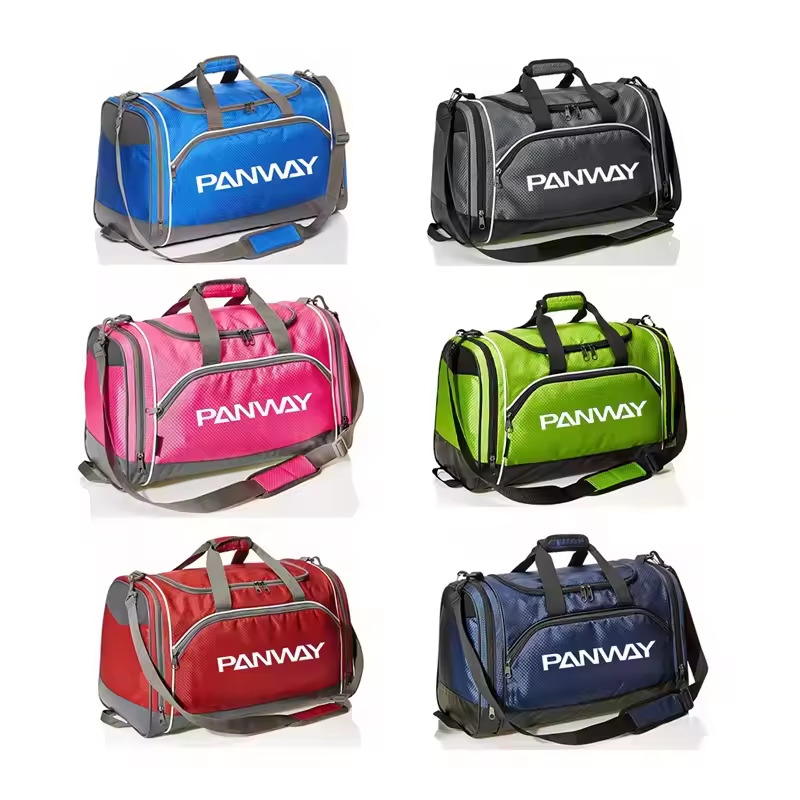
Sport Tote Overnight Yoga Duffel Bags

What Defines a Sports Gym Bag?

A sports gym bag is engineered for athletic functionality. As industry professionals, we design these bags with specific user scenarios in mind:

  • Separate shoe compartments — prevents sweat and dirt from contaminating clean clothes. This is a feature gym-goers consistently tell us they value most.
  • Ventilated wet/dry pockets — essential for swim gear, post-workout towels, or muddy training shoes. We use breathable mesh materials tested for rapid moisture evaporation.
  • Ergonomic carrying options — many gym bags now include padded backpack straps for hands-free carrying, a design shift driven by commuter-athlete feedback over the past five years.
  • Durable water-resistant fabrics — typically 600D or 840D nylon with PU coating, tested to withstand repeated exposure to sweat and damp environments.

These are not generic bags. They are purpose-built tools for people who train five to six days a week and need their gear organized and accessible.


What Defines a Duffel Bag?

The duffel bag is the original carryall — a design that has evolved over centuries but remains valued for its simplicity and capacity.

Key characteristics from a manufacturing perspective:

  • Single large compartment — maximizes packing volume. This design is preferred by travelers and weekenders who prioritize raw capacity over organization.
  • Heavy-duty construction — we typically use 16 oz canvas, full-grain leather, or 1200D polyester for duffels. The material choice directly impacts weight, durability, and price point.
  • Minimalist pocket layout — usually one exterior zip pocket and one interior slip pocket. This keeps production costs lower and appeals to customers who dislike over-engineered bags.
  • Versatile carry system — detachable shoulder strap plus reinforced top handles. This dual-carry design has been our customers' most requested feature across duffel bag projects.

A well-made duffel bag is an investment piece. It's designed to last for years and work across multiple contexts — gym, travel, daily carry.


Key Differences at a Glance

Aspect Sports Gym Bag Duffel Bag
Primary Use Case High-frequency gym & sports training Travel, weekend trips, occasional gym
Compartment Strategy Multi-compartment, specialized zones Single large compartment
Typical Materials 600D–840D nylon, polyester, mesh Canvas, leather, 1200D+ polyester
Moisture Management Ventilated panels, waterproof linings Minimal; relies on separate pouches
Carry Options Backpack straps + handles (often both) Shoulder strap + handles
Target End User Dedicated athlete / daily gym member Traveler / minimalist / multipurpose user
Price Range (Wholesale) $15–$40 $12–$60 (wide range by material)


Sourcing Recommendation: Which Should You Choose?

Go with sports gym bags if your customers:

  • Are fitness-focused and visit the gym 4+ times per week
  • Need organized storage for shoes, bottles, towels, and toiletries
  • Are open to paying a premium for functional specialization
  • You are targeting fitness studios, sports teams, or corporate wellness programs

Go with duffel bags if your customers:

  • Want a single bag that works for gym, travel, and daily use
  • Prefer a classic, timeless aesthetic over sporty looks
  • Are budget-conscious or looking for a higher perceived value per dollar
  • You are targeting travel retailers, department stores, or general merchandise outlets

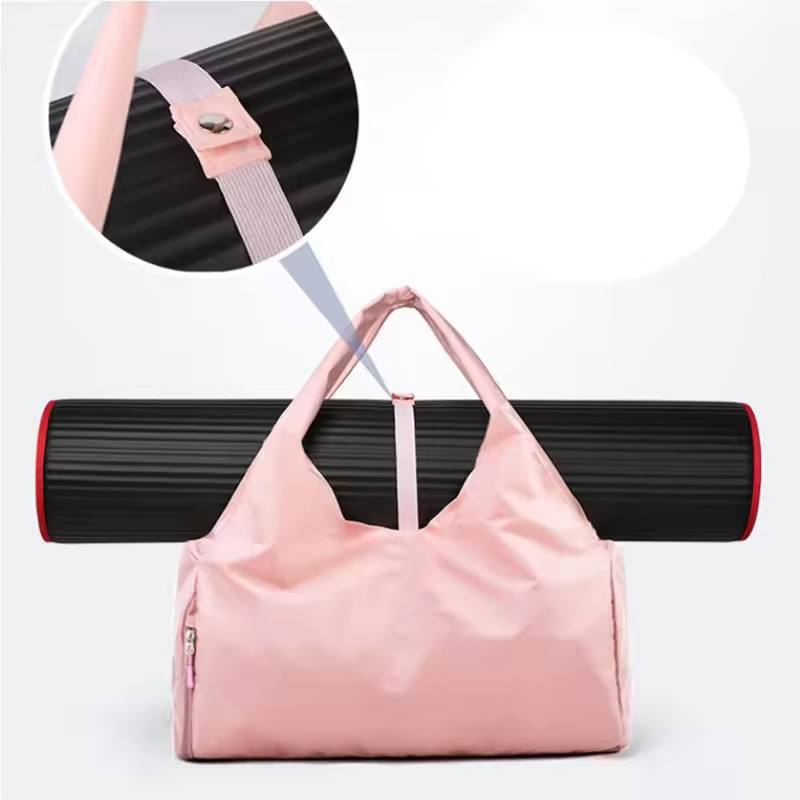
Fitnesst Gym Bag With Yoga Mat Holder Straps

Industry Insights: Trends We're Seeing in 2025–2026

From our manufacturing experience and ongoing conversations with buyers across North America and Europe:

  1. Hybrid designs are rising. Several of our OEM clients are now requesting gym bags with duffel-style silhouettes — combining organized interiors with minimalist exteriors.
  2. Sustainability is becoming a differentiator. We've seen a 40% increase in inquiries for recycled polyester and PVC-free materials across both categories since 2024.
  3. Custom branding matters more than ever. Whether sports gym bag or duffel, buyers consistently rank logo placement options and color customization as top decision factors.


Final Thoughts

Choosing between a sports gym bag and a duffel bag is not about which is "better" — it's about which better serves your customer's lifestyle and your business goals.

As a manufacturer with deep experience in both categories, we recommend evaluating your target audience's actual usage patterns, not just the look of the bag. That's how you build product lines that sell consistently and build long-term brand trust.

The Ultimate Guide to Choosing the Perfect Travel Backpack for Every Adventure

Traveling—whether for business, leisure, or backpacking across continents—starts with one essential decision: choosing the right travel backpack. A well-designed travel backpack isn't just a bag; it's your mobile command center, your luggage, and your daily companion rolled into one. At Panway Design, a professional manufacturer of sports bags, laptop backpacks, and travel gear, we understand what makes a travel backpack truly worthy of your journey.


In this comprehensive guide, we'll walk through everything you need to know to select the ideal travel backpack for your needs, from key features and materials to sizing and organization — whether you're looking for a lightweight travel backpack, a waterproof travel backpack, or a foldable travel backpack for space-saving convenience.


Why a Dedicated Travel Backpack Matters

Many travelers make the mistake of using a regular school backpack or a heavy suitcase for trips. A dedicated travel backpack is engineered differently. It combines the comfort of an ergonomic backpack with the organizational needs of travel—think dedicated laptop sleeves, quick-access passport pockets, hidden security compartments, and weather-resistant materials.


Whether you're a weekend city hopper or a long-term backpacker, the right travel backpack can make the difference between a smooth trip and a sore back. For carry-on travelers, a lightweight travel backpack is especially valuable — it maximizes your packing capacity while keeping you within airline weight limits.


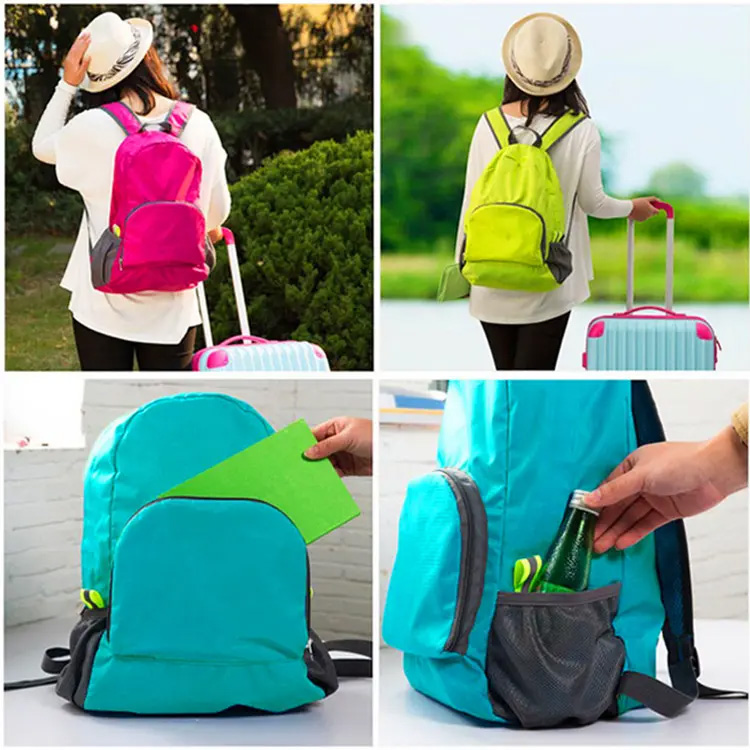
Lightweight travel backpack


Key Features to Look for in a Travel Backpack

1. Ergonomic Design and Comfort

A travel backpack is only as good as its comfort level when fully packed. This is why a lightweight travel backpack with proper ergonomics is a game-changer. Look for:

  • Padded shoulder straps with breathable mesh to reduce pressure
  • Adjustable sternum and hip straps to distribute weight evenly
  • Back panel ventilation to prevent sweating during long walks through airports or city streets


2. Smart Organization

The best travel backpacks offer dedicated compartments for:

  • A laptop sleeve (ideally padded and suspended to protect against drops)
  • Quick-grab pockets for passports, boarding passes, and phones
  • Main compartment with compression straps to keep contents stable
  • Hidden zipper pockets for valuables

For adventurers heading to unpredictable climates, a waterproof travel backpack with sealed zippers provides essential protection for electronics and documents. And for travelers short on luggage space, a foldable travel backpack that collapses into its own pocket makes an excellent daypack companion.


3. Durable Materials

Your travel backpack will face rain, rough handling, and constant wear. If weather protection is a priority, investing in a waterproof travel backpack is non-negotiable. Quality construction matters:

  • Ripstop nylon or high-denier polyester for tear resistance
  • YKK zippers for reliable closure
  • Reinforced stitching at stress points
  • Water-resistant or waterproof coating for weather protection


4. Capacity and Size

Choosing the right size travel backpack depends on your trip length:

  • 20–30 liters: Perfect for day trips, urban exploration, or as a personal item on flights — ideal for a foldable travel backpack that packs flat when not in use
  • 30–45 liters: Ideal for weekend getaways and short business trips — the sweet spot for a lightweight travel backpack
  • 45–60 liters: Best for extended travel or backpacking adventures


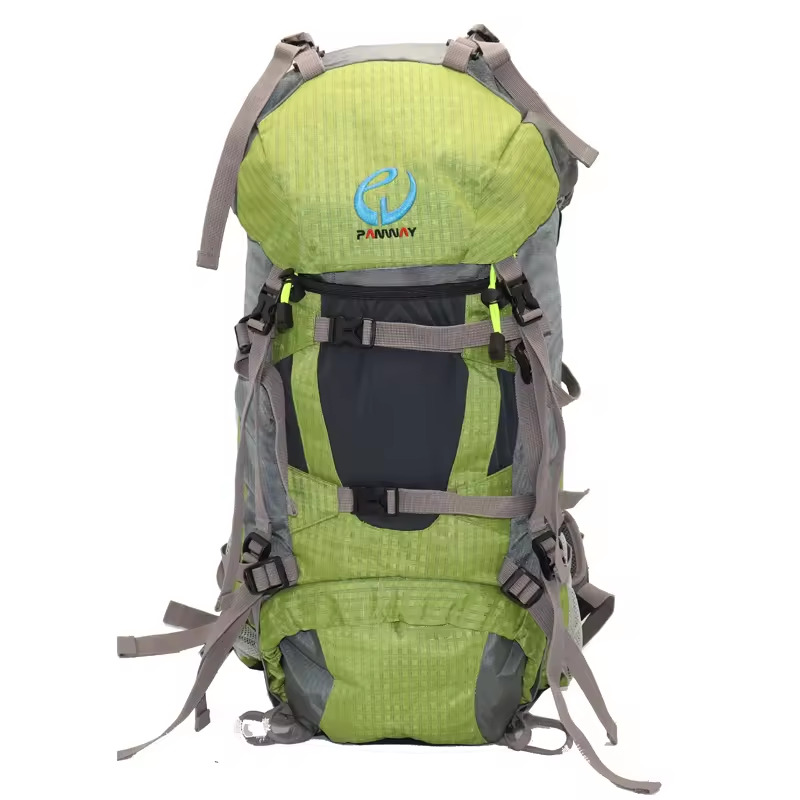
Waterproof and durable travel backpack


Travel Backpack vs. Suitcase: When to Choose a Backpack

While rolling suitcases have their place, a travel backpack wins in several scenarios. On rough terrain, cobblestone streets, or crowded public transport, a backpack offers hands-free mobility that a suitcase simply can't match. For multi-destination trips, being able to carry your luggage on your back rather than dragging it makes a world of difference. A foldable travel backpack also gives you the flexibility to pack a spare bag without taking up precious suitcase space.


Tips for Packing Your Travel Backpack

  1. Heavy items go near your back — closer to your center of gravity for better balance

  2. Use packing cubes — they keep your clothes compressed and organized

  3. Keep essentials accessible — store toiletries and a change of clothes on top or in outer pockets

  4. Distribute weight evenly — a well-balanced travel backpack feels lighter than an unbalanced one

If you're using a foldable travel backpack, pack it in an outer pocket for easy access during day trips. And if you have a waterproof travel backpack, make sure all zippers and roll-top closures are properly sealed before heading into wet conditions.


Why Choose Panway Design for Your Travel Backpack?

As an experienced manufacturer in the bag industry, Panway Design brings years of expertise to every travel backpack we produce. Whether you're looking to source a lightweight travel backpack, a waterproof travel backpack, or a foldable travel backpack for your brand, we deliver:

  • Customizable designs — tailor features to your brand or specific needs
  • Quality materials — sourced from trusted suppliers for durability
  • Professional craftsmanship — every bag is built to last through countless journeys
  • OEM/ODM services — perfect for brands looking to launch their own travel backpack line


Final Thoughts

A great travel backpack is an investment in your travel comfort and peace of mind. Take the time to assess your travel style, choose the right size and features, and prioritize quality construction. Whether you need a lightweight travel backpack for airline travel, a waterproof travel backpack for outdoor adventures, or a foldable travel backpack for extra versatility — the right choice will serve you faithfully trip after trip.

Ready to design your perfect travel backpack? Contact Panway Design to discuss your custom manufacturing needs.

Travel backpack makes journeys easier for everyone

You know that feeling when you breeze past crowds with your travel backpack? For modern travel, a backpack stands out as an essential travel item. You move quickly, keep your hands free, and stay organized with smart compartments. Unlike bulky suitcases, a travel backpack gives you flexibility, comfort, and efficiency. Check out these common travel problems a backpack helps solve:

  • Move fast to catch trains or buses without dragging wheels

  • Keep important items close and accessible

  • Enjoy greater independence with lightweight design

A travel backpack could change the way you travel.


Key Takeaways

  • Travel backpacks offer unmatched mobility, allowing you to navigate crowded spaces easily and keep your hands free for other tasks.

  • A multifunction travel backpack adapts to various trips, providing organization and comfort whether for business, leisure, or outdoor adventures.

  • Using a carry-on backpack saves time and money at airports, helping you avoid baggage fees and streamline security checks.


Travel backpack mobility and convenience

Airport and transit mobility

You know how airports can feel like obstacle courses. You need to move fast, dodge crowds, and sometimes run to your gate. A travel backpack gives you the flexibility to glide through terminals without dragging a heavy suitcase behind you. You can switch directions quickly, hop on escalators, and squeeze into busy elevators. This kind of mobility makes your journey less stressful and more enjoyable.

Take a look at how travel backpacks compare to traditional suitcases in real-life situations:


Feature

Travel Backpacks

Traditional Suitcases

Popularity

Gaining traction among consumers

Established but less innovative

Mobility

Enhanced due to lightweight and ergonomic design

Limited by wheels and bulkiness

Technology Integration

Smart features like USB-C charging and GPS tracking

Generally lacks advanced tech features

You get more flexibility with a backpack. You can carry it on your back, hold it by the handle, or even attach it to your suitcase if you want. PANWAY travel backpacks make things even easier. Their luggage sleeve lets you slide your backpack onto your rolling suitcase, so you can move hands-free through crowded train stations or airport lines. This design reduces strain on your shoulders and keeps your journey smooth.

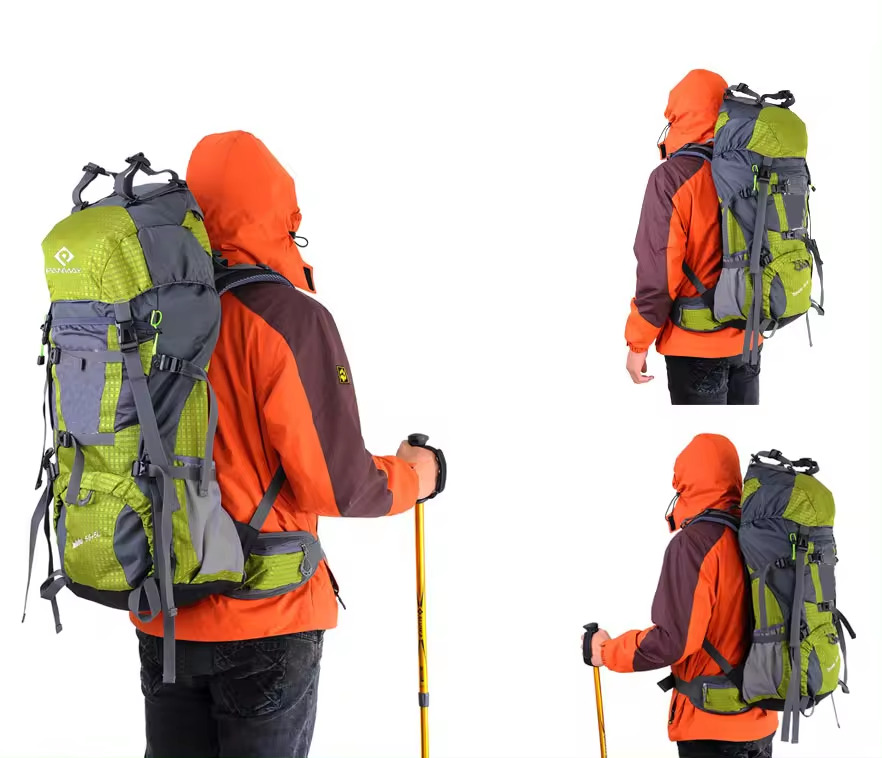
Hiking Multifunction Resistant Water Travel Camp Hiking Backpack


Hands-free movement in crowds

Crowded spaces can slow you down. When you use a travel backpack, you keep your hands free for tickets, snacks, or your phone. You don’t have to worry about bumping into people with a bulky suitcase. You can weave through crowds with ease and flexibility.

Here’s what ergonomic research says about hands-free travel:

Benefit

Description

Reduced Physical Strain

Attaching the backpack to a suitcase minimizes shoulder strain, enhancing comfort during travel.

Enhanced Mobility

Facilitates easier movement through crowded areas, improving overall travel efficiency.

Organized Travel Experience

Allows for better management of multiple items, reducing stress in busy environments.

You feel the difference right away. You can grab a coffee, scan your boarding pass, or check your phone without juggling bags. The flexibility of a backpack means you can adjust your load and keep moving, even when the crowd gets thick. PANWAY’s sturdy materials and ergonomic design support your back and shoulders, so you stay comfortable on long walks or while standing in line.

If you want even more flexibility, try a multifunction travel backpack. You can use it for work, school, or weekend trips. Some models even double as a waterproof camping bag, so you’re ready for any adventure. With the right backpack, you get convenience, flexibility, and smooth movement every step of the way.

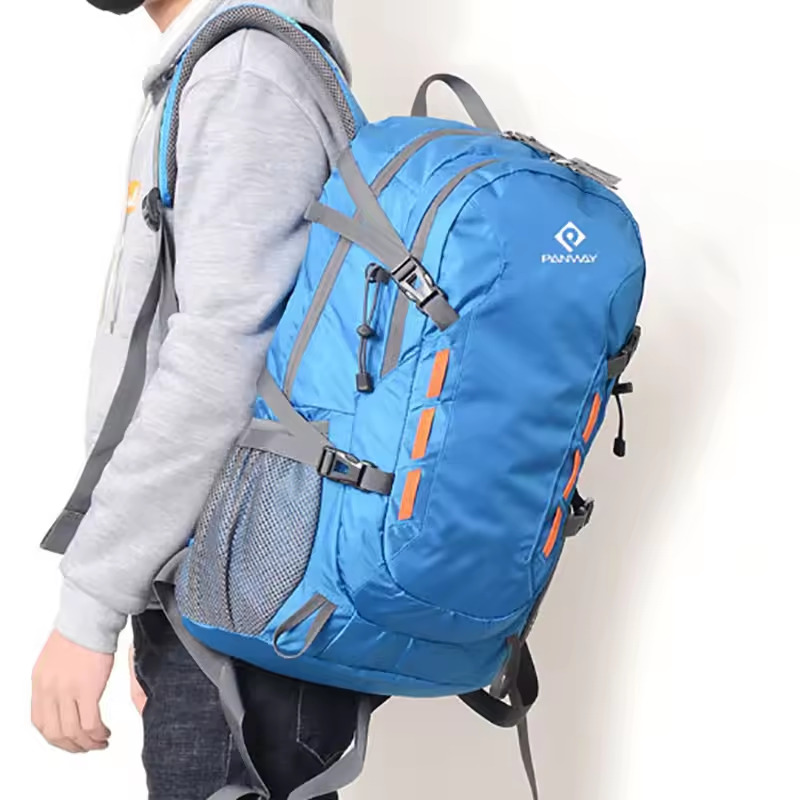
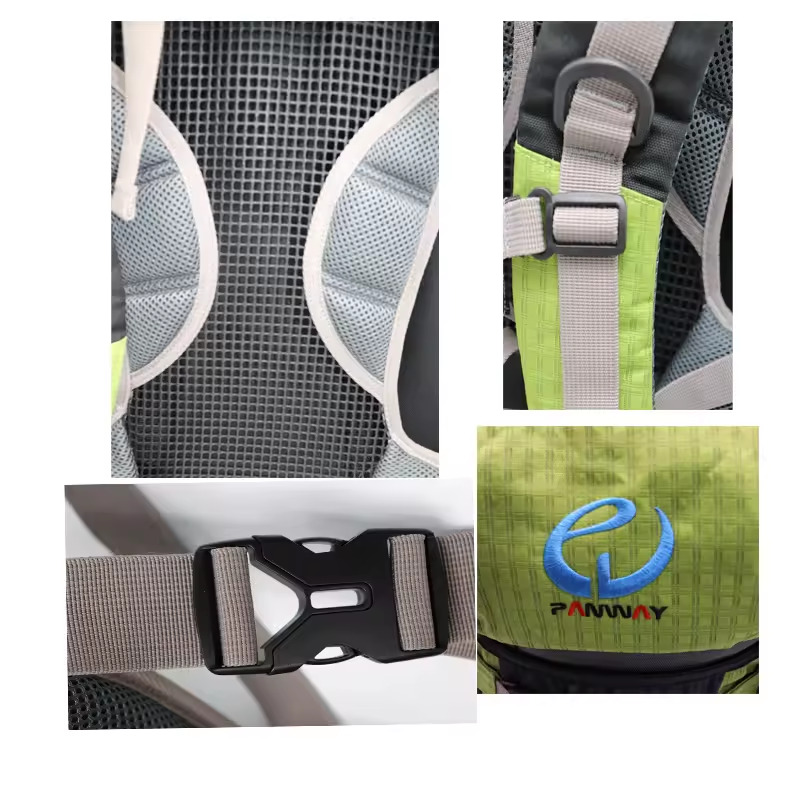
PANWAY backpack with sturdy and durable materials and ergonomic design

Packing flexibility and comfort

Versatility for different trips

You want a backpack that adapts to every trip. Whether you’re heading out for a business meeting, a weekend getaway, or an outdoor adventure, you need a bag that keeps up with your changing travel needs. A multifunction travel backpack gives you that freedom. You can pack your laptop and documents for work, toss in versatile clothing for leisure, or load up snacks and a water bottle for a day of sightseeing. If you love the outdoors, a waterproof camping bag keeps your gear dry and ready for any weather.

You can see how a travel backpack fits different types of trips:

  • For business, use a padded sleeve for your laptop and important papers.

  • For leisure, organize your clothes, snacks, and water bottle for easy access.

  • For adventure, pack light and use packing cubes to keep everything in order.

You get efficient organization with multiple compartments. Quick-access pockets let you grab your essentials without digging through your whole bag. Compression systems help you maximize space management, so you can pack for a short city break or a longer journey. Rolling your clothes instead of folding them saves space and keeps your items neat. You can even use specialized pockets for chargers, toiletries, or travel documents. This level of organization means you spend less time searching and more time enjoying your trip.

Here’s a look at how travel backpacks adapt to your travel needs:

Feature

Importance for Travel Needs

Comfort

Crucial for long hours of carrying; quality straps and weight distribution matter.

Practical Durability

Withstands rough handling and constant use.

Organized Simplicity

Simple organization prevents frustration during packing and unpacking.

Weatherproofing

Protects your gear from rain and humidity.

Security Features

Hidden pockets and anti-theft designs keep your belongings safe.

You can trust a travel backpack to handle any environment, from busy airports to rainy campsites.


Ergonomic design and health benefits

Comfort matters when you carry your backpack for hours. You want a bag that feels good on your back and shoulders. PANWAY designs their backpacks with your health in mind. Wide, padded shoulder straps spread the weight across a larger area, so you avoid sore spots. Adjustable straps let you find the perfect fit, keeping the pack close to your body and reducing strain.

You can support your posture and avoid back pain by wearing your backpack on both shoulders. Carrying it on one side increases muscle strain and can lead to discomfort. A padded back panel adds extra comfort and helps position the pack near your center of gravity. If you choose a larger bag, a waist belt shifts some of the weight to your hips, taking pressure off your spine.

Health studies show that ergonomic backpacks offer real benefits:

  • Even weight distribution promotes spinal alignment and reduces the risk of injury.

  • Padded straps prevent shoulder strain and make long walks easier.

  • Supportive back panels encourage good posture and reduce fatigue.

  • Multiple compartments help you balance your load, so you don’t feel lopsided.

  • Adjustable straps ensure a snug fit, minimizing excess pressure on your back.

You feel the difference right away. You stay comfortable, even after a long day of travel. You avoid the aches and pains that come from poor design. With the right backpack, you get both packing flexibility and comfort, making every trip smoother and more enjoyable.

Tip: Always adjust your straps before you head out. A well-fitted backpack makes a huge difference in how you feel at the end of your journey.

PANWAY's ergonomic backpack shoulder strap design

Carry-on backpack efficiency and security

Quick packing and airline carry-on

You want to move fast and avoid hassles at the airport. A carry-on backpack gives you that edge. You skip the baggage line and keep your essentials close. Most airlines let you bring one carry-on backpack and a personal item without extra fees. You save money and time by packing smart. Rolling your clothes and using packing cubes helps you fit more into your carry-on backpack. You breeze through security because many backpacks have dedicated laptop compartments. You just unzip, pull out your device, and move on.

A carry-on backpack fits easily in overhead bins or under the seat. You don’t have to worry about gate-checking your bag or losing important items. The compact design meets airline size rules, so you avoid last-minute surprises. You get hands-free mobility, which makes it easier to grab a snack or check your phone while you walk. Comfort features like padded straps and back panels make long airport walks much easier.

  • Carry-on backpack avoids extra airline fees.

  • Fits airline size requirements for overhead bins and under seats.

  • Dedicated compartments speed up security checks.

  • Hands-free mobility improves your travel efficiency.


Keeping belongings safe and accessible

Security matters when you travel. A carry-on backpack keeps your items close and reduces the risk of theft or loss. Many backpacks use lockable zippers, anti-theft materials, and RFID-blocking pockets. You can hide your passport and cash in secret compartments. Organized packing with cubes and dividers makes it harder for thieves to grab valuables.

Here’s a quick look at common security features:

Security Feature

Description

Lockable Zippers

Secure your bag with TSA-approved locks.

Anti-Theft Materials

Tough fabrics resist slashing and tampering.

RFID-Blocking Pockets

Protect cards and passports from digital theft.

Hidden Compartments

Store valuables out of sight and reach.

You also want easy accessibility. A front-loading carry-on backpack lets you reach your stuff without unpacking everything. You can grab your charger or snacks in seconds. Dividing your items into compartments keeps you organized and ready for anything. Packing your backpack strategically adds another layer of security and convenience. You travel with peace of mind, knowing your belongings are safe and always within reach.


When you compare a carry-on backpack vs suitcase, you see real benefits. You travel lighter, stay organized, and move easily. Here’s a final comparison summary:

  • One-bag travel keeps things simple.

  • You enjoy comfort and smooth transitions.

  • Travel backpacks make every journey more efficient.

Try one for your next travel adventure!


FAQ

What makes a multifunction travel backpack better than a regular backpack?

You get more features with a multifunction travel backpack. It offers smart compartments, better comfort, and adapts to work, school, or adventure trips.

Can I use a waterproof camping bag for city travel?

Yes! A waterproof camping bag keeps your gear dry in any weather. You can use it for city trips, outdoor hikes, or even daily commutes.

How do I keep my travel backpack secure while exploring?

Lock your zippers, use hidden pockets, and keep your backpack close. Many travel backpacks include anti-theft features for extra peace of mind.

What Is an RPET Bag and Why Is It Eco-Friendly?


RPET backpack

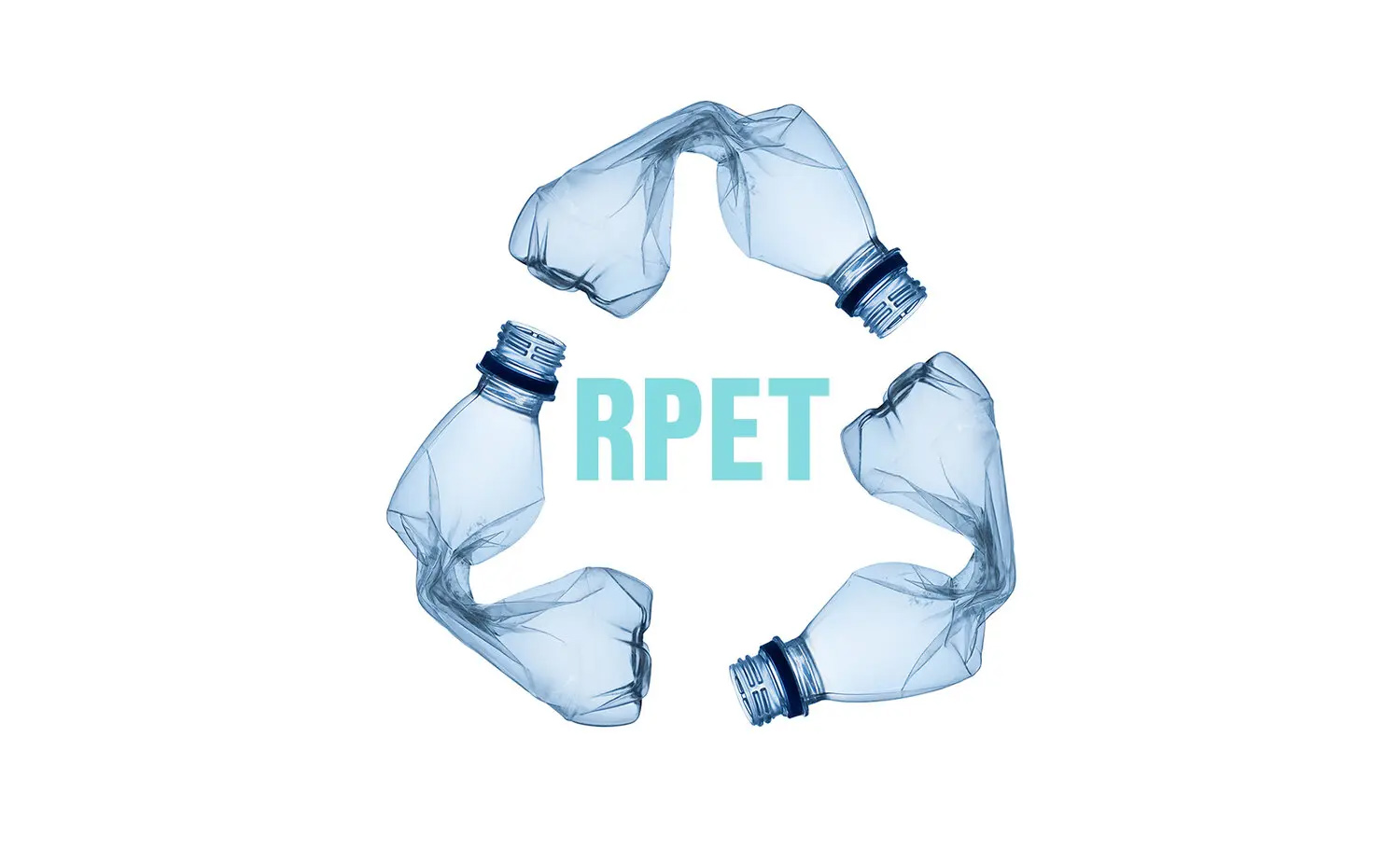
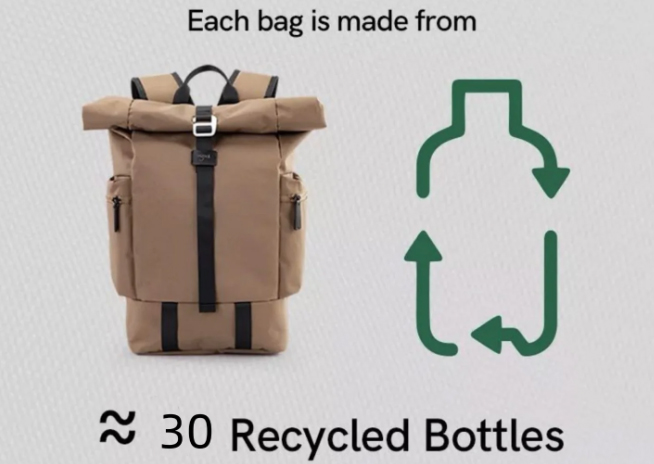
RPET stands for Recycled Polyethylene Terephthalate, meaning an RPET bag is a reusable or disposable bag made from recycled PET plastic—most commonly discarded plastic bottles. Unlike traditional plastic bags made from virgin petroleum-based materials, RPET bags repurpose existing plastic waste, giving it a new lifecycle instead of letting it end up in landfills, oceans, or incinerators. Lightweight, durable, and versatile, they are widely used as shopping bags, tote bags, and accessory bags, combining practicality with environmental responsibility. Their eco-friendly nature lies in reducing plastic waste, conserving resources, and cutting down on harmful emissions associated with new plastic production.

RPET laptop backpack

Key Definitions and Eco-Friendly Advantages

 RPET Definition: Recycled Polyethylene Terephthalate, a material made by processing discarded PET plastic (e.g., plastic bottles) into reusable fabric or film for bags.

 Reduces Plastic Waste: Diverts PET plastic from landfills and oceans, where it can take hundreds of years to decompose and harms wildlife.

Outdoor travel RPET bag

 Conserves Natural Resources: Eliminates the need for virgin petroleum (a non-renewable resource) used to make traditional plastic bags.

 Lowers Carbon Emissions: Recycling PET requires less energy than producing new plastic, reducing greenhouse gas emissions linked to plastic manufacturing.

 Reusable & Durable: Most RPET bags are washable and long-lasting, replacing single-use plastic bags and further cutting down on waste.


 Recyclable Again: Many RPET bags can be recycled once more at the end of their lifecycle, creating a circular economy for plastic.

Lightweight RPET backpack

What to Know Before Partnering with an OEM Bag Manufacturer

Choosing the right bag manufacturer takes more than a quick Google search. If you jump in without clear goals or skip checking out a handbag manufacturer, you could face costly surprises. Take a moment to define what you want. This step saves you stress and helps you find the perfect fit.


Key Takeaways

  • Define your bag requirements, including size, material, and customization, to avoid confusion and ensure a smooth process.

  • Research manufacturers thoroughly by checking reviews, certifications, and production capacity to find a reliable partner.

  • Request samples and review quality control processes to ensure the final product meets your expectations.


Define Your Bag Requirements
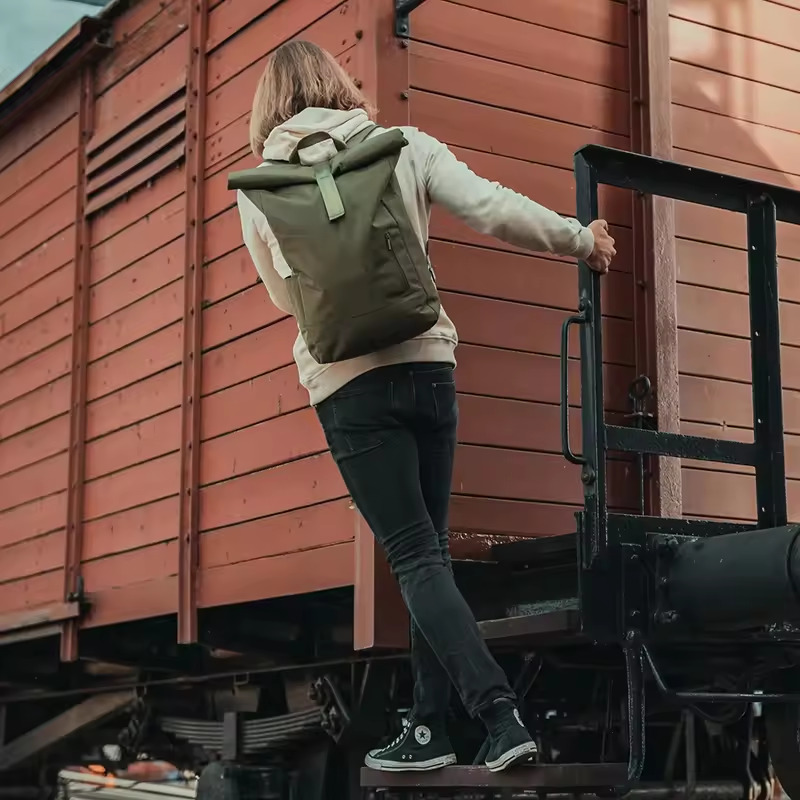
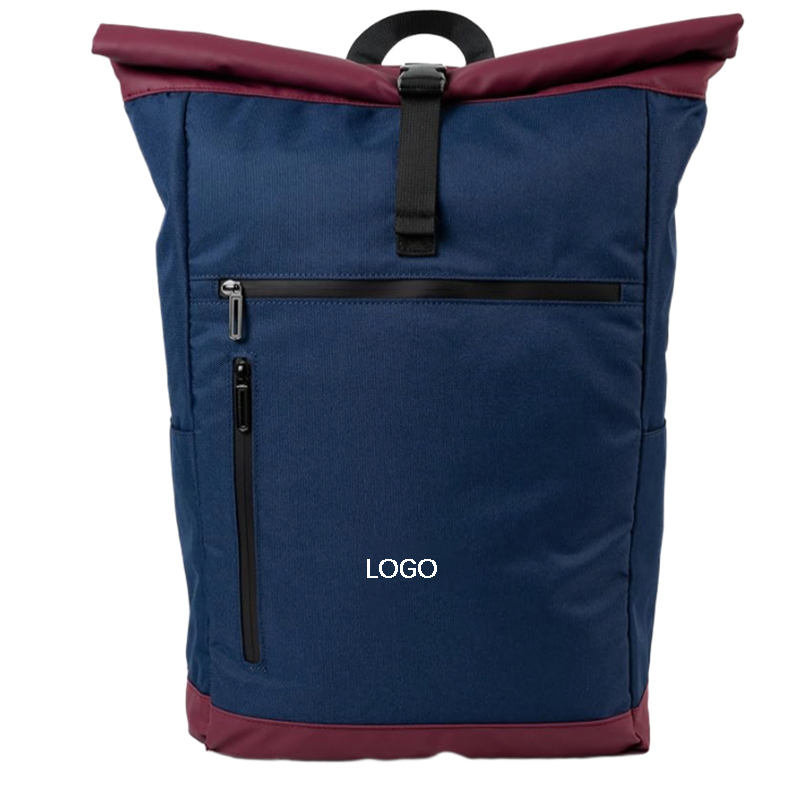
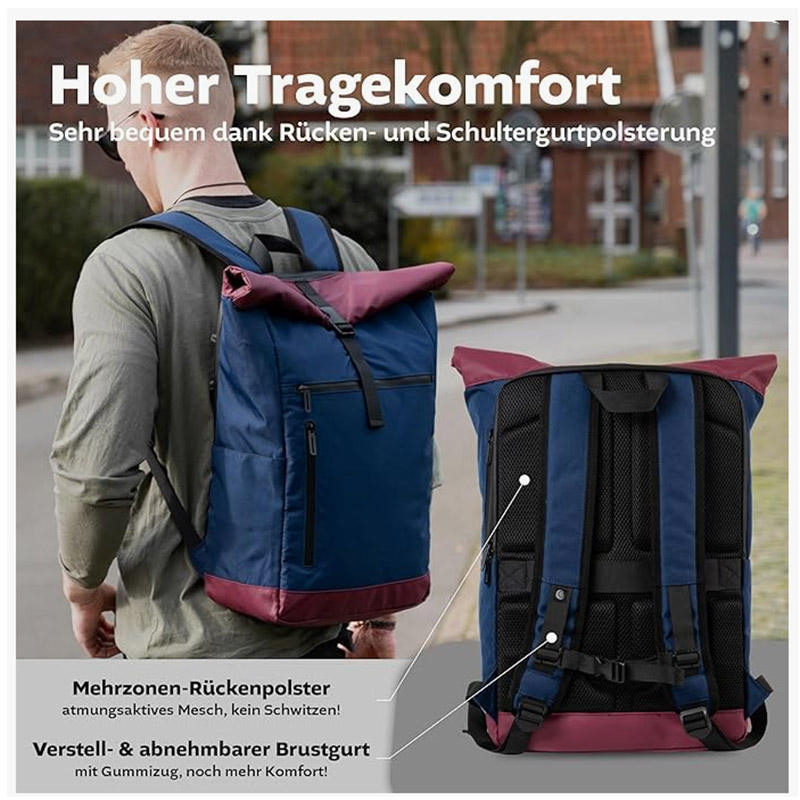
Waterproof Casual Travel Roll Top Backpacks

Before you reach out to any OEM bag manufacturer, you need to define your requirements. This step sets the stage for a smooth process and helps you avoid confusion later.


Product Specifications

Start by listing out what you want in your bag. Think about the size, shape, color, and features. Do you want extra pockets, zippers, or a custom logo? You should also consider who owns the design and how much you want to customize. Here’s a quick table to help you organize your thoughts:

Specification Type

Description

Design Ownership

You keep control over your bag designs to match your brand vision.

Material Selection

Choose from premium leather, recycled fabrics, or other options.

Customization Levels

Decide how much you want to tailor the bag to your needs.

Quality Control

Make sure the manufacturer follows strict quality checks.

Manufacturer's Reputation

Look for a partner known for meeting specs and delivering quality.

Tip: Ask about quality control at every stage. This helps you catch problems before they become costly.


Material Selection

The material you choose affects both the look and the price of your bag. Premium leather gives a luxury feel but costs more. Recycled fabrics or canvas can lower costs and boost sustainability. Many manufacturers offer a wide range of materials, so you can match your brand’s values and your customers’ preferences.

  • High-quality bags start with the right material.

  • Premium materials mean higher durability and cost.

  • Eco-friendly options support sustainability and appeal to conscious buyers.


Budget and Timeline

Set a clear budget before you start. Costs can vary based on the type of bag and the material you pick. Here’s a quick look at some typical price ranges:

Campaign Type

Material

Style

Cost Range

Budget Campaign

Polyester or cotton

Drawstring/basic tote

$1–$2

Mid-Level Campaign

Canvas or RPET

Tote with reinforced handle

$2–$4

Premium Campaign

Thick canvas or nylon

Backpack/structured bag

$5–$15

You also need to plan your timeline. The process usually includes confirming specs, picking materials, reviewing artwork, making samples, and then mass production. Lead times depend on your order size and the complexity of your design. If you want a custom bag, expect a longer wait.

Note: Clear communication about your budget and timeline helps your manufacturer deliver on time and within your price range.


Research Bag Manufacturers

Sourcing Channels

You have plenty of options when it comes to finding the right bag manufacturer. Online directories, trade shows, and referrals all offer unique advantages. Let’s break down some popular sourcing channels:

Sourcing Channel

Region

Features

Benefits

Alibaba

Primarily Asian suppliers

Advanced search filters, customer reviews

Direct contact, easy vetting

Maker’s Row

U.S. manufacturers

Showcases local factories, user-friendly platform

Great for domestic production

ThomasNet

North American suppliers

Extensive database, industrial focus

Robust supply chains

Global Sources

Asian suppliers

Trade show connections, vendor profiles

Verified manufacturers, reduced fraud risk

You can also use B2B platforms like Made-in-China.com. These sites let you check ratings and certifications, which helps you avoid unreliable suppliers. Referrals from your professional network often lead to trustworthy manufacturers. Trade shows give you a chance to meet suppliers face-to-face and see their products firsthand.

Tip: Don’t skip reading customer reviews and case studies. These give you real insight into how manufacturers handle orders and solve problems.


Shortlisting Candidates

Once you have a list, you need to evaluate shortlisted manufacturers. Look at their experience, production capacity, and quality standards. Here’s a quick table to help you compare:

Criteria

Description

Experience and Expertise

Proven track record with similar bags

Production Capacity

Ability to handle your order volume

Quality and Materials

Review samples for craftsmanship and material quality

Certifications

Social compliance and quality certifications like WRAP or ISO9001

Pricing and Payment Terms

Compare quotes and payment options

You should always ask for samples and check their certifications. This step helps you avoid surprises and ensures you partner with a reliable manufacturer.


Evaluate Manufacturer Reliability

Choosing a bag manufacturer is more than just picking a name from a list. You want a partner who delivers high-quality products, sticks to ethical standards, and keeps your lead times and production schedule on track. Let’s break down how you can check reliability before you sign any agreement.


Experience and Track Record

Experience matters when you want consistent quality. You should look for a handbag manufacturer with a proven history in the industry. Years of experience often translate to better problem-solving and smoother production. Here’s a quick look at how long top-rated manufacturers have been in business:

Manufacturer

Years of Experience

Vancharli Outdoor

30+ years

YSK Leather Goods

15+ years

Unknown

18 years

If you see a bag manufacturer with decades of experience, you can expect them to handle complex orders and unexpected challenges. Ask for references or case studies. You want to know how they managed past projects and if they delivered quality on time.

Tip: Don’t hesitate to ask about previous client experiences. Reliable manufacturers are proud to share their success stories.


Production Capacity

Production capacity affects your lead times and production schedule. You need a manufacturer who can handle your order volume without sacrificing quality. Take a look at what leading companies can produce:

Manufacturer

Daily Production Capacity

Annual Production Capacity

Additional Notes

Gionar

50 handbags or 20 small leather goods

Over 2 million customized products

Synergy with factories in Asia, South America, and the USA.

YC Bag Making

Thousands of bags per month

-

-

If your order is large or you need quick turnaround, ask about their maximum output. You should also check if they have backup facilities or cross-regional support. This helps you avoid delays and ensures your lead times and production schedule stay on track.

Note: A reliable bag manufacturer will be upfront about their capacity and any limits. This transparency helps you plan better.


Quality Assurance Processes

Quality is the heart of any successful partnership. You want a manufacturer who uses strict quality control processes at every stage. Here’s what you should look for:

Quality Assurance Process

Description

Material Quality Control

Strict checks on suppliers to prevent issues like zipper jams and discoloration.

Standardized Production

Follows correct methods, with pre-production planning and guidance for complex designs.

Employee Training

Skilled workers receive training to boost responsibility and attention to detail.

Machine Maintenance

Regular maintenance prevents faults that can affect quality.

Most bag manufacturers monitor every stage with a quality control team. They check raw materials, inspect during production, and audit finished products. For RPET bags, attention to detail is especially important. You want your products to meet international benchmarks for safety and durability.

Here’s how a typical quality control process works:

  1. Material inspection starts the process.

  2. In-line checks happen during production.

  3. Final audits verify stitching, zippers, load strength, and finish.

  4. Only approved units go to packing.

  5. AQL 2.5 sampling standards are used for quality checks.

  6. Third-party inspections from SGS, Bureau Veritas, or your own auditors are welcome.

Over 70% of OEM bag manufacturers use ISO certifications to guarantee quality. About 80% conduct systematic checks at every stage, including raw material inspections and final product testing. Certifications like CE and ASTM set the bar for safety and durability.

Callout: Always verify certifications and compliance. Ethical and sustainability practices are just as important as product quality. Ask for proof of ISO, CE, or ASTM certifications. This step protects your brand and ensures you get high-quality products.

You should also check for process stability. Reliable factories review feasibility, validate materials, control sampling, and keep detailed revision records. They execute mass production with rigorous standards. This approach ensures you get consistent quality every time.

If you want to avoid surprises, ask about their quality control processes and how they handle client audits. A trustworthy manufacturer welcomes third-party inspections and shares audit results. This openness shows they value ethical standards and quality.


Collaborate on Design and Samples

Design Adjustments with Manufacturer

You want your bags to stand out, so you need a hands-on approach to customization. Start by sharing a clear design brief with your OEM partner. Include sketches, dimensions, material notes, colors, and details about compartments. This helps everyone stay on the same page from the beginning.

Here’s how you can make the process smoother:

  • Give a product overview with the style name, category, and target market.

  • Share technical drawings that show seam placements, pocket locations, and closures.

  • Use reference samples or photos of competitor products to show your vision.

  • List all materials, linings, trims, and hardware you want.

Work closely with your manufacturer during the sampling phase. This is your chance to spot issues like handle length, material stiffness, or color mismatches. Treat this step seriously. It’s much easier to fix problems now than after mass production starts.


Requesting and Reviewing Samples

Always request samples before you approve a final design. Pre-production samples let you check the quality and see if the bag matches your expectations. Manufacturers use strict quality checks at every stage, including material inspection, in-line production checks, and pre-shipment audits. They often test for load strength, zipper endurance, and colorfastness to meet international standards.

You can even ask for third-party inspections from companies like SGS or Bureau Veritas. Take time to review the sample’s stitching, hardware, and overall craftsmanship. If something feels off, give feedback right away. This step protects your brand and ensures you get the bag you want.


Visit Facilities and Final Checks
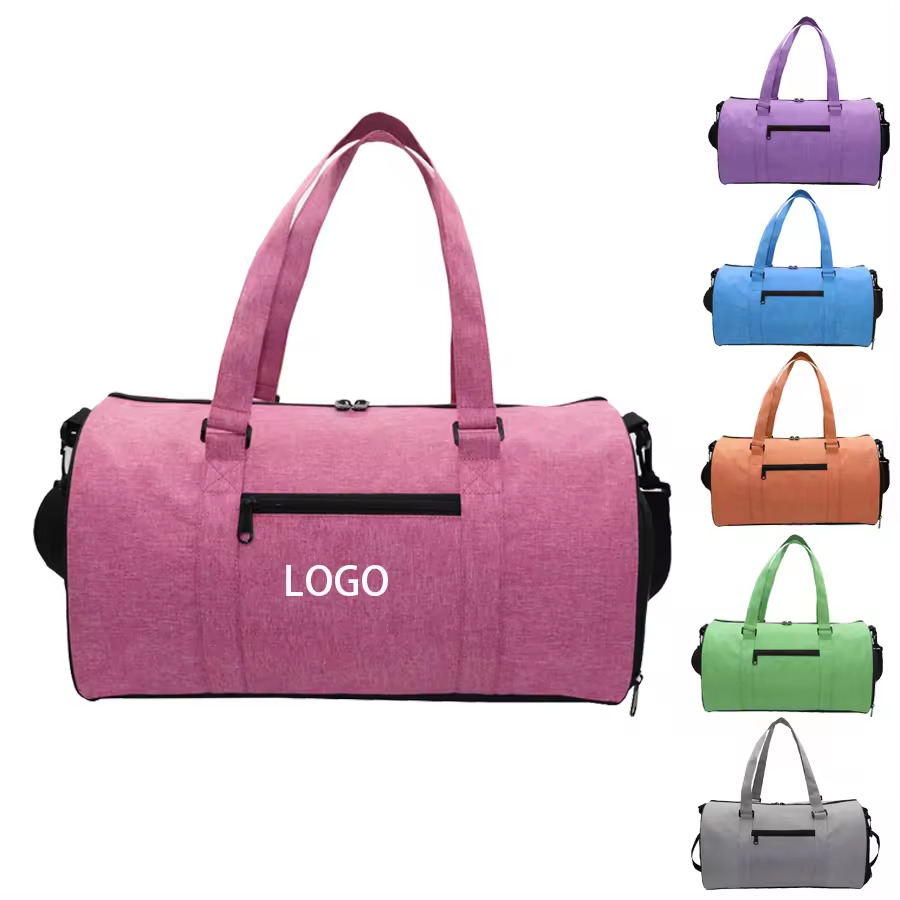
Travel Sports Bag With Shoe Compartment

On-Site Assessment

Visiting your potential bag manufacturer’s facility gives you a real sense of how they operate. You see more than just photos or polished presentations. You get to walk the production floor, watch employees in action, and spot details that matter for your brand.

Here’s what you should look for during your visit:

  • Check the production floor for cleanliness and organization.

  • Watch how employees handle materials and assemble bags.

  • Inspect equipment quality and maintenance routines.

  • Ask about their quality control systems.

  • Look for certifications like SMETA, BSCI, or ISO 9001. These show the factory meets strict ethical and quality standards.

  • Discuss your requirements in detail to make sure everyone understands your goals.

Tip: A clean, organized workspace often means the manufacturer values quality and safety. This can give you peace of mind about your order.

You can also request a third-party audit if you want extra assurance. Audits give you direct visibility into workforce conditions and production processes.


Meeting the Manufacturer Team

Meeting the team face-to-face helps you build trust and set the tone for your partnership. You get to know the people who will bring your designs to life. This is your chance to talk about new materials, try out sustainable options, and make sure everyone shares your vision.

  • Early conversations about your goals help avoid misunderstandings.

  • Collaborating on new material trials can spark innovation.

  • Strategic partnerships with the right OEM team support your brand’s growth and quality standards.

When you connect with the team, you lay the groundwork for a smooth, successful project. Open communication now leads to better results later.


Negotiate and Establish Partnership

Agreement Terms

When you negotiate and establish a long-term partnership with a bag manufacturer, clear agreement terms set the foundation for success. Start by outlining your expectations for quality, delivery, and payment. Many factories prefer long-term partners over one-off buyers, so showing commitment can help you secure better terms. Propose a trial order first. This builds trust and lets both sides adjust before scaling up.

Effective negotiation goes beyond price. Focus on value—think about service, quality, and support. Prepare by researching the market and understanding what motivates your handbag manufacturer. Try to optimize several factors at once, like cost, lead time, and after-sales service. If you share risks and rewards, you encourage collaboration and continuous improvement.

Common challenges can pop up during this phase. For example, you might worry about quality consistency or protecting your designs. Use this table to see how you can address these issues:

Challenge

Solution

Consistency in Quality Control

Visit the factory, set clear protocols, and use third-party inspections.

Intellectual Property

Sign confidentiality agreements and register your designs with authorities.

Logistics

Work with experienced freight forwarders and plan for transportation times.

Cultural Alignment

Audit the factory and look for ethical certifications.


Communication Protocols

Strong communication keeps your partnership on track. Set up regular meetings, use email, and schedule calls to stay connected. Good suppliers respond within 12–24 hours, give clear answers, and offer proactive solutions. Risky suppliers take days to reply and rarely provide updates. Here’s a quick comparison:

Indicator

Good Supplier

Risky Supplier

Response time

Within 12–24 hours

2–3 days or more

Clarity

Clear, detailed answers

Vague responses

Problem-solving

Proactive suggestions

Reactive only

Updates

Regular production updates

No visibility

Encourage feedback from your bag manufacturer and your customers. This helps you improve product quality and design consistency. When you keep communication open, you avoid misunderstandings and build a partnership that lasts.


You can build a strong partnership with a bag manufacturer by following a few key steps:

  1. Assess samples and set clear terms.

  2. Communicate openly and check quality often.

  3. Pay attention to details and protect your designs.

Start your search with confidence and watch your brand grow.


FAQ

What is the minimum order quantity (MOQ) for OEM bag manufacturers?

Most manufacturers set an MOQ. You usually need to order at least 100–500 pieces.

Tip: Ask about sample orders before committing to a large batch.

How long does it take to produce custom bags?

Production time depends on your design and order size. Most orders take 30–60 days.

  • Sample approval can add extra time.

Can I use my own logo and packaging?

Yes, you can add your logo and custom packaging.

Note: Share your branding files early to avoid delays.
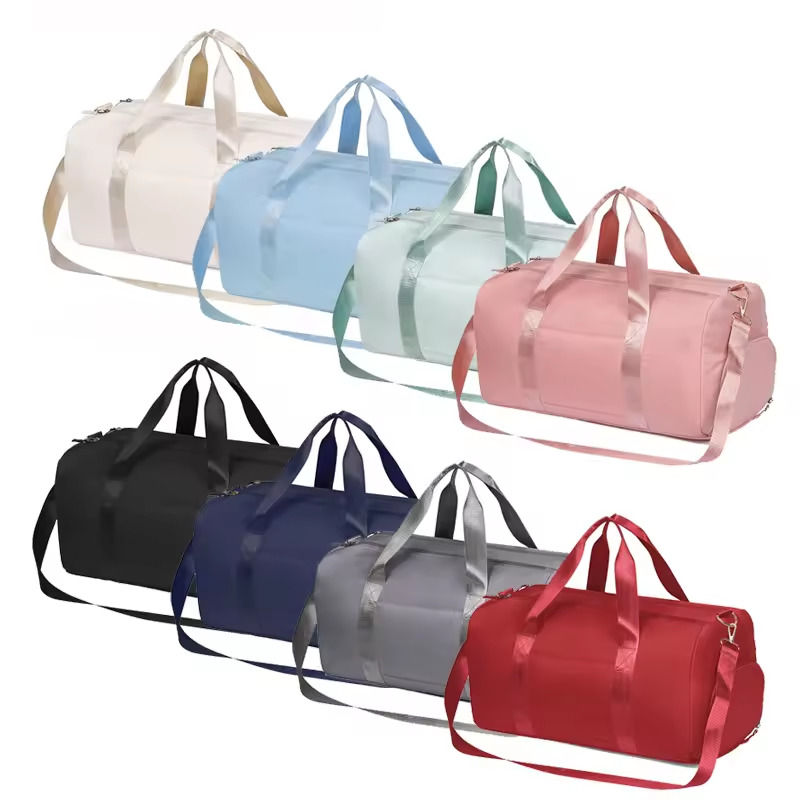
Why Choose a Messenger Bag Over a Backpack?

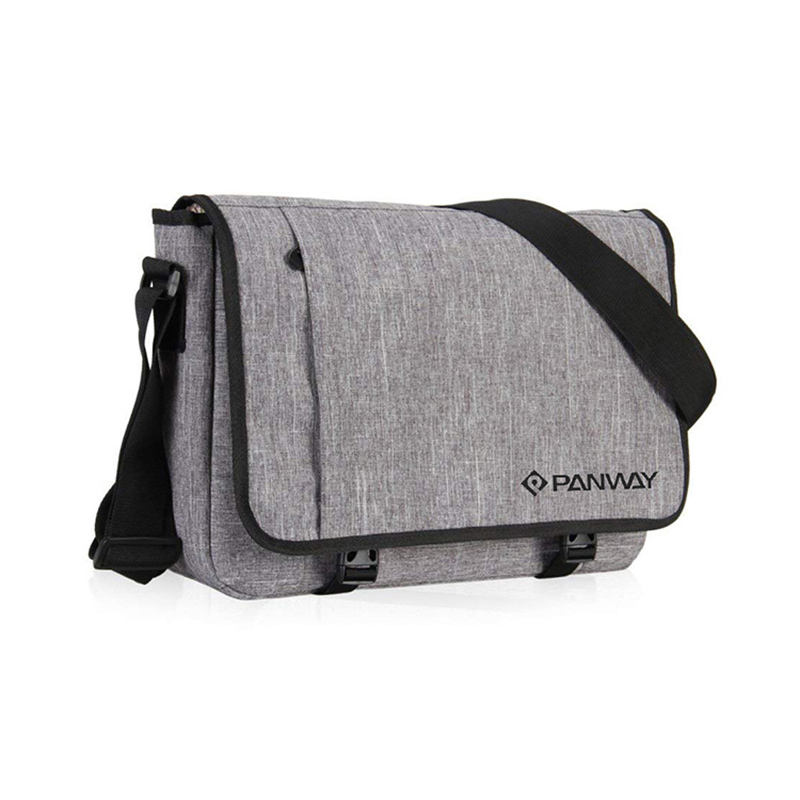
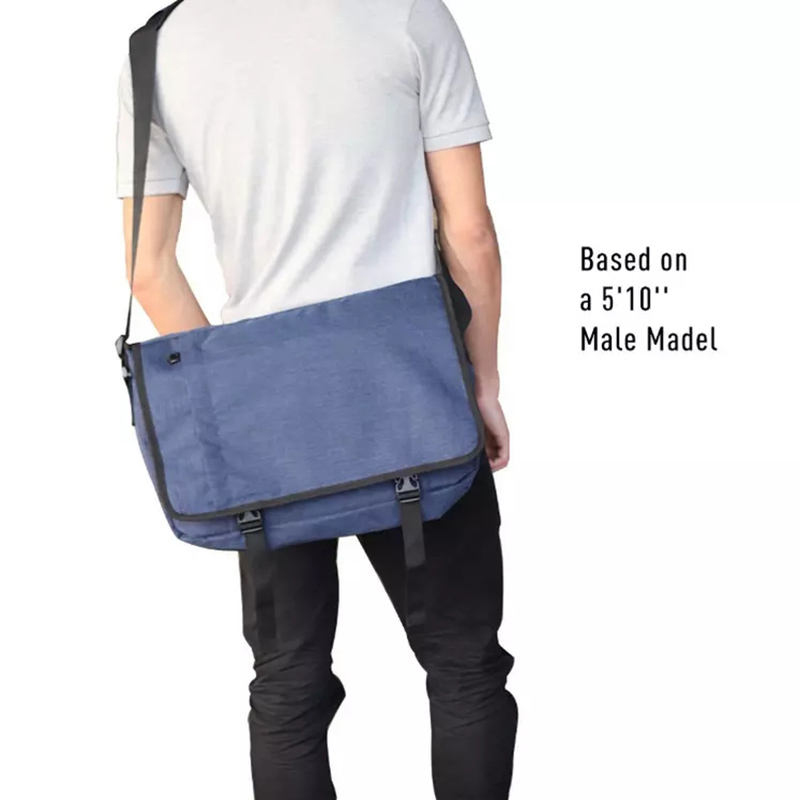
Message bag

Messenger bags stand out as a stylish, practical, and professional alternative to traditional backpacks, perfect for daily commuting, work, and casual use. They combine convenience, comfort, and versatility in a sleek design, making them a top choice for messenger bag for work and daily commuting messenger bag.


Easy Access and Convenience: You can quickly reach your phone, wallet, or essentials without taking the bag off. Just swing it to the front and grab what you need, ideal for commuting and travel—another reason messenger bag vs backpack debates often favor messenger styles.

Professional and Stylish Look: Messenger bags have a polished, business-casual appearance that fits workplaces, meetings, and daily outings better than bulky backpacks, which is why stylish messenger bag is a popular search term for professionals.

Casual crossbody message bag


Better Ventilation: Unlike backpacks, they don’t press against your back, keeping you cool and preventing sweat stains, especially in warm weather. This comfort factor adds to the appeal of comfortable messenger bag options.

Secure and Comfortable Wear: An adjustable strap ensures a snug fit, and the crossbody design makes it harder to pickpocket, great for crowded streets and public transport.

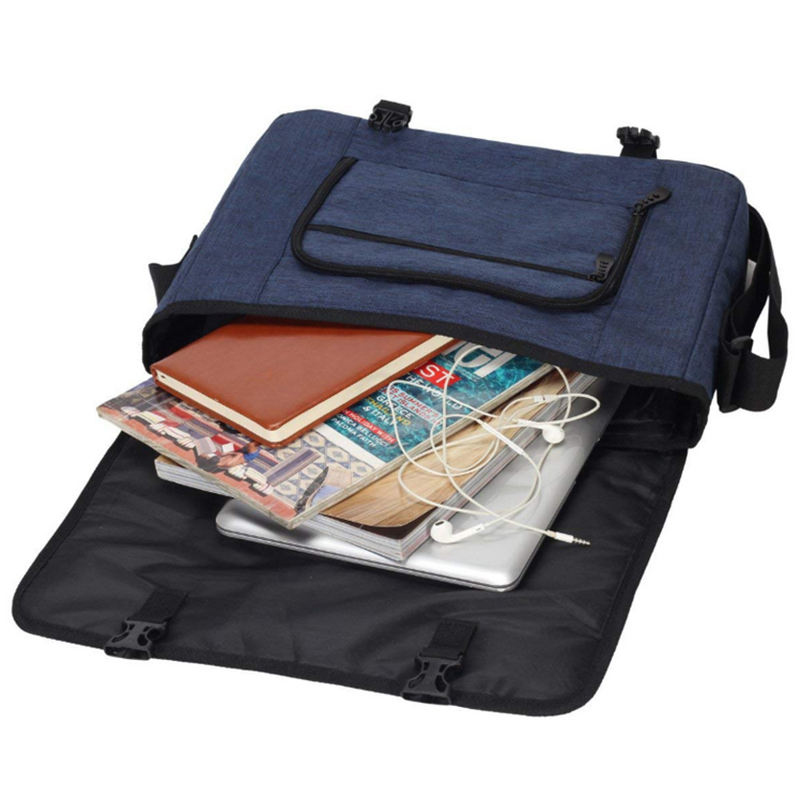
Practical Organization: Most messenger bags feature multiple compartments for laptops, tablets, documents, and small items, keeping your gear neat and protected.


Whether for work, study, or daily use, a messenger bag delivers efficiency, style, and comfort that many backpacks can’t match.

Durable messenger sling bag

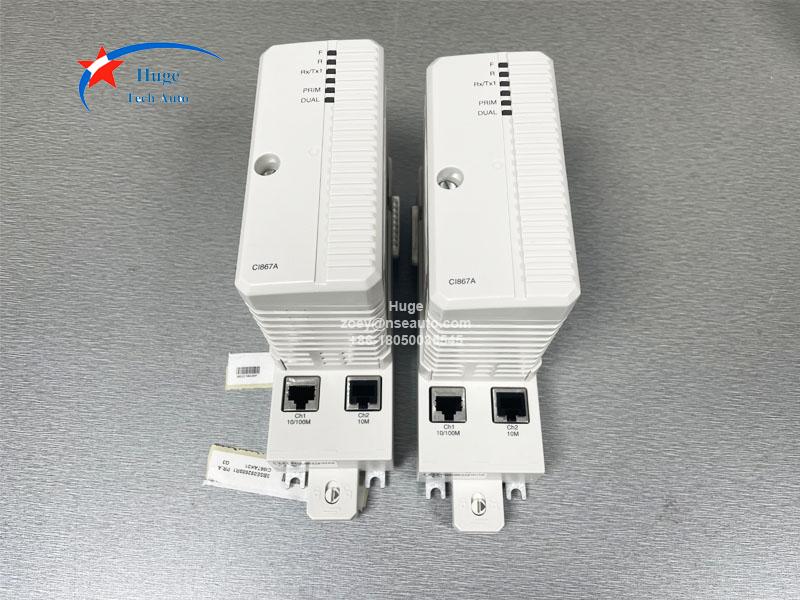
CI867K01 & CI867AK01 Comparison

Recently, many clients inquiry us the offer about CI867K01. CI867K01 and CI867AK01 are ABB 800xA system commnunications interface. Both of them can be connected to the external Ethernet devices using Modbus TCP protocol.

CI867K01 is discontinued, short in supply, that lead to the value rising. But why so many clients need it rather than take the successor CI867AK01?
CI867K01
CI867K01 comes with dual Ethernet communication ports, supporting communication speeds of 100 Mbit/s and 10 Mbit/s respectively. System version and hardware version is 5.1. However, its upgraded variant, the CI867AK01, is only equipped with a single 100 Mbit/s Ethernet port. Additionally, CI867AK01 module can only operate normally under System 800xA version 6.0.3.3, 6.1.1 and all later released updates. This makes the CI867AK01 less compatible than the original CI867K01.

The below form list the major difference between CI867K01 and CI867AK01.


Item


CI867K01


CI867AK01


Article number


3BSE043660R1


3BSE092689R1


Communication protocol


MODBUS TCP


MODBUS TCP


Transmission speed


10/100 Mbit/s (Ch1)


10Mbit/s (Ch2)


10/100 Mbit/s (Ch1)


Redundant configuration


Can be set


Can be set


System version request


5.1 version


6.0.3.3, 6.1.1, and subsequent versions.


Package including


-CI867, Communication Interface


-TP867, Baseplate


-CI867A, Communication Interface


-TP867, Baseplate


Is CI867K01 the only spare part for on-site replacement?
The solution for the CI867AK01 replace of CI867K01: Supply site with the Version 6.1 configuration software for CI867AK01, and the module will function properly.

How to Choose the Right Food Delivery Backpack for Your Business

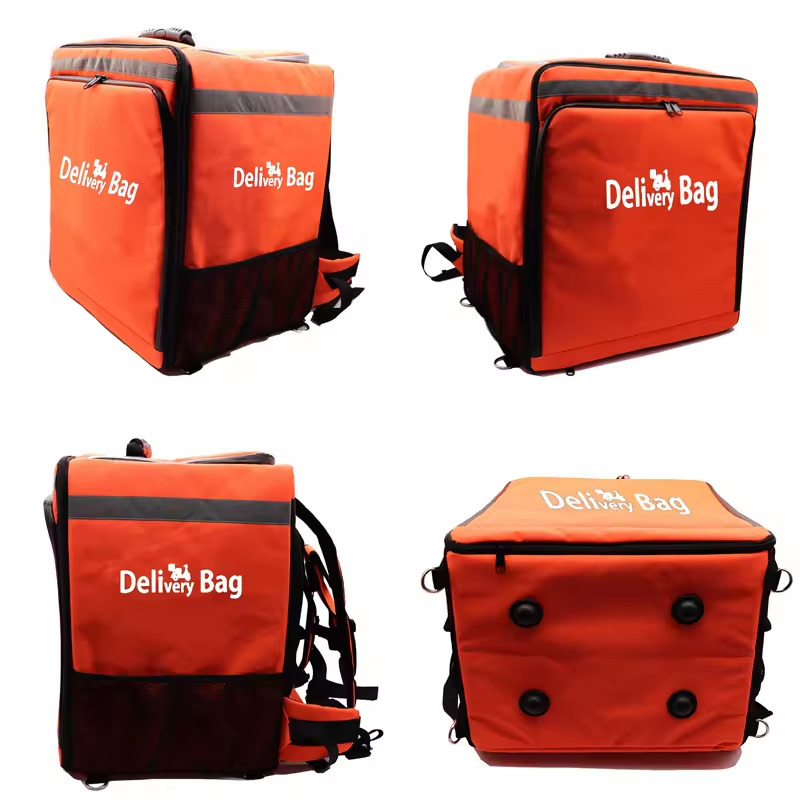
A food delivery backpack can make or break your delivery service. You want hot food to stay hot, cold drinks to stay cold, and every meal to arrive fresh. The right backpack keeps food safe and clean, which helps you earn happy customers and better reviews. Take a moment to think about your delivery challenges. What matters most to you—speed, temperature, or easy cleaning?


Key Takeaways

  • Pick a food delivery backpack that keeps food hot or cold. Insulated bags help keep food warm or cool. This makes customers happy.

  • Choose the right bag for your menu. Insulated bags are good for mixed meals. Special bags are better for drinks and desserts.

  • Make sure your drivers feel comfortable. Find bags with soft straps and light weight. This helps drivers deliver faster and feel better.

  • Buy bags made from strong materials. Strong bags last longer and do not break easily. This saves you money over time.

  • Take care of your bags often. Clean them after every use and check for damage. This keeps food safe and makes you look professional.


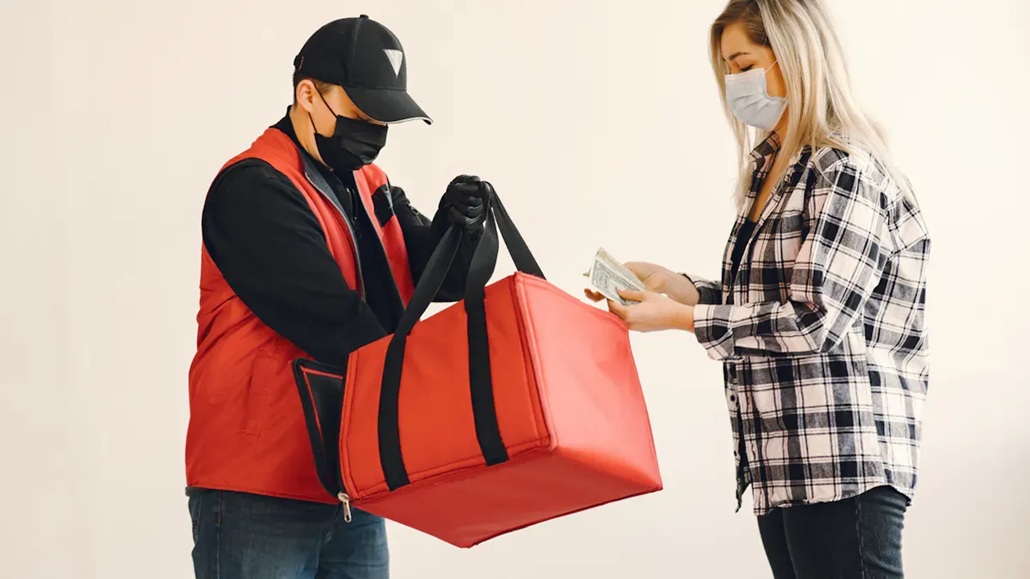
Why the Right Food Delivery Backpack MattersPizza Polyester Professionals Insulated Delivery Bag


Food Quality and Safety

You want your food to taste great when it gets to customers. The large food delivery backpack keeps food hot or cold. It also stops spills and keeps out germs. Strong insulation in these bags protects food from getting too warm or cold. Let’s see how these bags help:

Element

Function

Insulating Materials

Slow down heat moving in or out.

Reflective Linings

Bounce heat back to keep food warm or cold.

Sealing Mechanisms

Keep air from getting in or out, so food stays fresh.

It’s important to keep the bag clean. Food-grade and antibacterial linings help a lot. These linings stop bacteria from growing. They also make cleaning simple. You can wipe the best catering delivery bag in just a few minutes. This means you always deliver safe food.


Customer Satisfaction

Happy customers will order from you again. Using good food delivery bags shows you care about their food. Here’s what customers say in reviews:

  • They like when food is hot, fresh, and not squished.

  • Many say their meals stay at the right temperature, so they want to order again.

  • People notice special bags and trust you more.

A good food delivery backpack helps you get better reviews. It also brings more repeat customers.


Delivery Efficiency

You want drivers to work quickly and feel good. The right food delivery bags help with this. Bags with comfy straps and light weight are easier to carry. Insulated bags keep food at the right temperature longer. This means drivers don’t have to hurry. Here’s how these bags make your service better:

Metric

Improvement

Food temperature retention

30% improvement

Reduction in delivery time inefficiencies

20% reduction

Rider satisfaction

Higher due to comfort and functionality

Choosing the right bag makes every delivery faster and smoother.


Types of Food Delivery BackpacksMotorcycle Thermal Insulated Delivery Pizza Food Cooler Backpack

Choosing the right backpack starts with knowing the main types of delivery bags. Each style works best for certain foods and business needs. Let’s break down the most popular options you’ll see on the market.


Insulated Food Delivery Bags

You’ll find insulated food delivery bags everywhere. These bags use thick padding and special linings to keep food hot or cold. They work well for restaurants that deliver a mix of meals, like burgers, salads, or even groceries. If you want to keep soups hot and ice cream cold, this is your go-to. Many businesses use insulated food delivery bags for their flexibility and strong temperature control.

Tip: If you deliver both hot and cold items, pick a bag with separate sections or adjustable dividers.


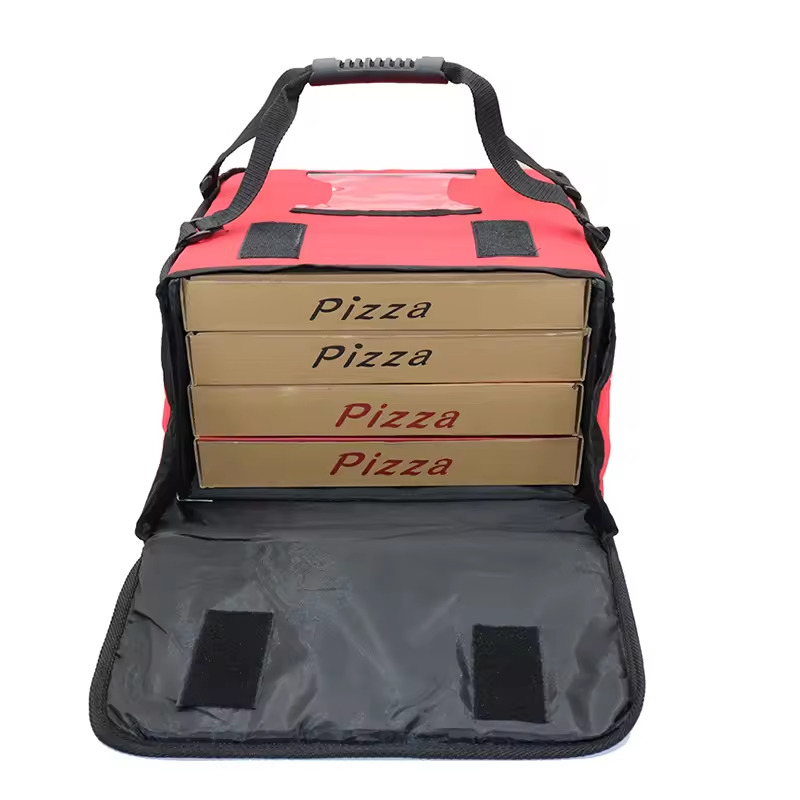
Pizza Delivery Bags

Pizza shops love these bags. The best pizza delivery bag is wide and shallow, so it fits pizza boxes perfectly. You won’t have to worry about pizzas sliding or getting squished. The insulation keeps the crust crispy and the cheese melty. If you run a pizza place, you need this style. Customers notice when their pizza arrives hot and fresh.

  • Fits standard pizza boxes

  • Keeps pizzas hot for longer trips

  • Easy to stack for big orders


Multi-Compartment Bags

Do you deliver mixed orders? Multi-compartment bags make your life easier. These bags have separate sections for hot and cold foods. You can carry drinks, desserts, and meals all at once. Adjustable dividers help you fit different box sizes. You save time because you don’t need to juggle multiple bags.

Feature

Benefit

Separate compartments

Keeps food at right temperature

Adjustable dividers

Fits many box sizes

Fewer bags needed

Easier for drivers


Specialty Bags for Drinks or Desserts

Some orders need extra care. Specialty bags for drinks or desserts have cup holders and tall sides. They stop drinks from spilling and keep desserts safe. Cafes, bakeries, and catering companies use these bags a lot. If you deliver bubble tea, coffee, or cakes, you’ll want a bag made just for those treats.

Note: Specialty bags help you avoid messes and keep customers happy.

Each type of bag fits a different business. Large restaurants may need stackable or multi-compartment bags for big orders. Pizza shops stick with pizza bags. Cafes and bakeries use drink or dessert bags. Think about your menu and order size before you choose.


Best Features of Food Delivery Backpacks

Insulation and Temperature Retention

You want food to stay hot or cold during delivery. The best food delivery bags use smart insulation to keep food fresh. Materials like nylon, polypropylene, aluminum foil, and PE foam insulation work together. These layers slow down heat loss. They also stop outside air from getting inside. Some bags use special thermal fabrics that trap air. This helps meals stay at the right temperature for a longer time.

Material

What It Does

Nylon

Durable and keeps food safe

Polypropylene

Lightweight and adds insulation

Aluminum foil

Reflects heat, keeps food hot or cold

PE foam insulation

Extra layer for better temperature retention


Durability and Material Quality

You need a bag that can last through busy days. It should also handle rough weather. Look for food delivery bags made from tough materials like 840D or 900D Oxford fabric. These bags resist water and scratches. Strong stitching and sturdy zippers help your bag last longer. Some brands use heavy-duty imitation nylon. This material is easy to clean and stands up to daily use.

  • High denier count means stronger fabric

  • Reinforced stitching stops tears

  • Leak-proof interiors add extra protection


Hygiene and Ease of Cleaning

Clean bags keep food safe for everyone. The best catering delivery bag uses antibacterial and food-grade linings. These linings stop germs from growing. They also make cleaning simple. You can wipe down the inside in just a few minutes. This keeps your next order fresh and safe.


Waterproof and Stain Resistance

Rain and spills can happen anytime. Waterproof and stain-resistant bags protect your food from getting wet or messy. These features keep perishable items safe and reduce food waste. You also save time because cleaning up is much easier.

  • Protects food from rain

  • Stops spills from soaking through

  • Makes cleaning quick


Size and Capacity

Not every order is the same size. You want a bag that fits your menu and order volume. Some bags come in small, medium, or large sizes. Others have options for your logo or extra pockets for sauces and cutlery.

Feature

Why It Matters

Spacious interior

Fits more containers and big orders

Easy-to-carry design

Makes delivery comfortable and fast

Comfort and Ergonomics

You carry your bag for hours, so comfort is important. Look for padded straps, chest straps, and breathable padding. These features reduce shoulder pain and keep you cool. Non-slip shoulder pads and padded back support help you feel good. This is helpful even on long shifts.

Tip: A comfortable bag means happier drivers and better service for your customers.


How to Choose Food Delivery Bags for Your Business

Assessing Your Delivery Volume

You need to start by looking at how many orders you deliver each day. If you run a busy pizza shop or a restaurant with lots of big orders, you need a bag that can handle the load. Smaller cafes or bakeries might only need a compact bag for a few items. Here’s a simple guide to help you figure out what works best:

  1. Check the size of your typical order. Choose a bag that fits your biggest meal without squishing anything.

  2. Pick a bag with adjustable, padded straps. Your drivers will thank you for the comfort.

  3. Make sure the bag has ventilation. Hot food needs to breathe so it stays tasty and doesn’t get soggy.

  4. Look for easy-to-clean materials. Removable liners save time and keep things hygienic.

  5. Go for heavy-duty zippers and strong closures. You want your food secure during every trip.

  6. Think about branding. A bag with your logo looks professional and helps customers remember you.

Tip: If you deliver a lot of pizzas, the best pizza delivery bag will fit multiple boxes and keep them hot for longer routes.


Matching Bag Type to Food Delivered

You want to match your bag to the food you deliver. If you serve hot meals, insulated food delivery bags keep everything warm. Cold drinks or desserts need bags with special compartments. Multi-compartment bags work well for mixed menus. Specialty bags help with drinks or delicate desserts.

Business Type

Recommended Bag Type

Why It Works

Pizza Shop

Pizza delivery bag

Fits boxes, keeps pizza hot

Café/Bakery

Specialty drink/dessert bag

Stops spills, protects desserts

Restaurant

Insulated or multi-compartment

Handles mixed orders, keeps food fresh

Catering Service

Large insulated bag

Fits big orders, keeps food safe

You can make your deliveries smoother by picking the right bag for your menu. If you deliver both hot and cold items, choose a bag with separate sections. This keeps everything at the right temperature.


Considering Delivery Distance and Conditions

Think about how far your drivers travel and what the weather is like. If you deliver across town or in bad weather, you need a food delivery backpack with strong insulation and weather-resistant materials. Hot foods should stay above 140°F, and cold items must stay chilled. Advanced insulation helps keep food at the right temperature, even on long trips.

  • Temperature control matters for every delivery.

  • Weather-resistant materials protect your food from rain and wind.

  • Antimicrobial linings keep your bag clean after many uses.

Note: If you deliver in areas with lots of rain or heat, pick a bag that can handle tough conditions. Your food stays safe, and your drivers stay happy.


Budget and Long-Term Value

You might want to save money, but buying a cheap bag can cost you more in the long run. High-quality food delivery bags last longer and need fewer replacements. They use water-resistant materials and reinforced stitching. This means you spend less on repairs and replacements. Lightweight designs help your drivers move faster and deliver more orders.

  • Durable bags reduce replacement costs.

  • Water-resistant materials keep maintenance low.

  • Lightweight bags improve delivery speed and driver comfort.

Tip: Investing in a quality food delivery backpack pays off. You get better performance and happier customers.

If you want to know how to choose food delivery bags, start by looking at your business needs. Match the bag type to your menu, check your delivery volume, and think about the weather and distance. Pick a bag that fits your budget but also gives you long-term value. You’ll see better reviews and smoother deliveries.


Maintenance Tips for the Best Food Delivery Bags

Keeping your food delivery bags in top shape helps you deliver fresh meals every time. Good maintenance also saves you money because your bags last longer. Here are some simple tips to help you get the most out of your delivery gear.


Cleaning and Hygiene Practices

You should clean your bags after every shift. Wipe down the inside and outside with a damp cloth and a mild antibacterial cleaner. Pay extra attention to corners and seams where crumbs and spills can hide. If your bag has a removable liner, take it out and wash it with warm, soapy water. Let everything dry completely before you use the bag again. This stops bacteria from growing and keeps your food safe.

Tip: Use food-safe antibacterial sprays for a quick clean between deliveries.


Regular Inspection and Repairs

Check your bags often for signs of wear. Look at the zippers, straps, and seams. If you see any rips or broken parts, fix them right away. Small tears can get bigger if you ignore them. Tighten loose straps and replace broken buckles. A well-kept bag keeps food secure and looks professional.

  • Inspect bags weekly for damage.

  • Repair or replace worn parts as soon as possible.

  • Keep a small repair kit handy for quick fixes.


Proper Storage

Store your bags in a clean, dry place when you are not using them. Avoid leaving them in hot cars or damp areas. This helps prevent mold and keeps the insulation working well. You can use protective packaging to keep bags safe from dust and damage. Always make sure your bags are clean before you put them away. This stops cross-contamination and keeps your next delivery fresh.

  • Keep bags at the right temperature to avoid spoilage.

  • Use covers or boxes to protect bags from bumps and dirt.

  • Clean storage areas often to prevent germs.

Taking care of your food delivery bags means you deliver better meals and keep your customers happy.


You want your food delivery business to be special. Choosing the right backpack is important. If you care about hygiene, durability, and insulation, your customers will be happier. Food stays fresh and safe. High-quality insulated bags help you waste less food. They also make customers want to order again. Here are some common problems:

Challenge

Description

Insulation

Keeps food hot and fresh

Hygiene

Stops germs and keeps meals safe

Durability

Handles tough weather and daily use

Think about what your business needs. Look at different backpack choices. Make a smart decision for your next step!


FAQ

How do I clean my food delivery backpack?

You should wipe the inside and outside with a damp cloth and mild cleaner. Remove liners if possible. Let the bag dry before using it again. This keeps your food safe and your bag smelling fresh.

Can I use one bag for hot and cold foods?

You can, but you need a bag with separate compartments or dividers. This keeps hot foods warm and cold foods chilled. Look for bags designed for mixed orders.

How often should I replace my delivery backpack?

Check your bag every few months. If you see tears, broken zippers, or worn straps, it’s time for a new one. A good bag lasts longer with regular care.

What size backpack should I choose?

Pick a size that fits your biggest order. If you deliver large meals or lots of items, go for a bigger bag. For small orders, a compact bag works best.

Tip: Always test the bag with your usual containers before buying.

How to Choose the Best Gym Duffel Bag for Your Needs

Ever found yourself digging through your workout bag, searching for your training shoes or towel? The right waterproof gym duffel bag can make your gym visits smooth and stress-free. When you match a duffel bag’s features to your workout routine, you get more comfort and less hassle. Many people love how easy it feels to toss everything into one roomy compartment and go. You should think about what you pack, how often you train, and what makes your gym trips easier.


Duffel Bag Material & Durability


Common Materials

When you pick out a duffel bag, you want something that lasts. Most duffle bags use materials like nylon, polyester, canvas, leather, or neoprene. Each one has its own strengths. Take a look at this table to see how they compare:

Material

Durability

Weight

Water Resistance

Breathability

Style

Value

Nylon

High

Light

Good

Moderate

Sporty

Affordable

Polyester

High

Light

Good

Moderate

Colorful

Affordable

Canvas/Hemp

Medium

Heavy

Low

High

Casual/Eco

Affordable

Leather

High

Heavy

Moderate

Low

Classic/Lux

Expensive

Neoprene

Medium

Medium

High

Low

Modern

Moderate


Nylon and polyester stand out for daily gym use. They feel light but handle a lot of wear and tear. Leather looks stylish and lasts a long time, but it can feel heavy. Canvas works well if you want something eco-friendly, though it may not last as long as nylon.


Lightweight vs. Heavy-Duty

You might wonder if you need a lightweight or heavy-duty duffle. If you go to the gym every day, nylon bags can last up to four years. Polyester bags usually last about two years. Canvas bags work for heavy loads but may wear out faster with daily use. For travel or carrying lots of gear, a heavy-duty duffle gives you extra strength. For quick trips, a lighter bag feels easier to carry.


Water Resistance & Easy Cleaning

A water-resistant finish keeps your gear safe from rain or spills. This coating also protects your duffle from scratches and tears, so you spend less time worrying about damage. Cleaning your bag is simple. Pat-dry after washing, air dry in a cool spot, and check for weak spots in the stitching. Store your bag in a dry place and avoid overpacking to keep it in top shape.

Tip: Use a fabric protection spray to add extra defense against water and stains.

Choosing the right material means your duffel bag will last longer and stay looking good, no matter how often you hit the gym.


Gym Bag Size & Capacity

Spacious Main Compartment

You want a gym bag that makes packing for your workout easy. The main compartment should feel roomy enough for your clothes, towel, shoes, and water bottle. Most gym bags for typical users come in small to medium sizes. These give you enough space for your essentials without feeling bulky. If you like to bring extra gear, like a foam roller or boxing gloves, you need a bag with more capacity. A larger main compartment helps you fit everything for your training session, so you never have to leave anything behind.

Tip: Lay out your workout gear before you buy a bag. This helps you see how much space you really need.


Locker & Commuting Fit

Think about where you store your bag during your gym visit. If you use a locker, check the size before you choose a bag. A compact gym bag fits easily into most lockers and slides under seats on the bus or train. Commuters love these bags because they keep everything organized and easy to reach. You can grab your shoes or water bottle without digging through a pile of clothes. If you drive or walk to the gym, you might want a bigger bag for more flexibility.


Compact vs. Large Options

Choosing between a compact or large bag depends on your routine. Compact gym bags work well for quick trips and light workouts. They fit in lockers and make commuting simple. Large duffel bags give you more packing space and a bigger main compartment. You can carry yoga mats, towels, and even extra shoes. Here’s a quick look at the pros and cons:

Bag Size

Pros

Cons

Compact

Fits in lockers, Easy to carry, Organized

Less space for gear, Limited capacity

Large

Holds bulky gear, Flexible, More capacity

Harder to store, Can feel heavy

If you train for different sports or need to bring special equipment, a large bag gives you the space you need. For everyday gym visits, a smaller bag keeps things simple and light.


Essential Features for Gym Bags

Multiple Pockets & Organization

It feels great to find what you need fast in your gym bag. Good organization makes this easy. Many pockets help you keep things in order. You can put clean clothes in one spot and shoes in another. Your phone can go in a zip pocket. Water bottles fit in their own place. These storage spots help you grab gear quickly. You do not waste time looking for things.


Here are features people talk about most in reviews:

Feature

Description

Organization capabilities

Storage compartments make it easy to get your gear fast.

Comfort

Padded straps and adjustable fit make carrying easier.

Material durability

Strong, water-repellent fabric helps your bag last longer.

Specific compartments

Pockets for essentials, water bottles, and mesh for dirty items.

Size and capacity

Enough room for gym gear, with space for extra stuff.

You can use tricks to keep your bag neat. Packing cubes help sort clothes by type or outfit. Side pockets are good for snacks or papers. A mesh laundry bag holds dirty clothes. Clean out your gym bag every night. This keeps your bag fresh and ready for next time.

Tip: Use zip pockets for keys, cards, or headphones. You will always know where they are.


Shoe & Wet Gear Compartments

No one wants dirty shoes with clean clothes. Shoe and wet gear pockets fix this problem. Many gym bags have a shoe pocket with air holes. This keeps shoes away from your towel and shirt. Mesh pockets are good for wet gear. They let air in and help stop bad smells.

A laundry bag is good for dirty clothes. It keeps the main part of your bag clean. Some bags have water bottle pockets. This stops water from spilling on your stuff. Outside pockets give you quick access to things you use a lot, like your phone or gym pass.

  • Travel gym bag with shoe compartment keeps shoes away from clean clothes.

  • Mesh pocket helps wet gear dry faster.

  • Water bottle pockets stop spills inside your bag.

  • Laundry bag keeps dirty clothes separate.

If you sweat a lot, these features make your gym bag much better.


Security & Quick-Access Pockets

You want your important things safe and easy to reach. Security pockets with zippers protect your valuables. Quick-access pockets help you grab your phone or headphones fast. Inside zip pockets are good for cash, cards, or jewelry.

Outside pockets help you stay organized. You can put snacks, gym passes, or your water bottle in them. Many zip pockets mean you do not lose your gear.

  • Inside zip pocket keeps important things safe.

  • Outside pockets give fast access to gear you use a lot.

  • Many zip pockets help keep everything in order.

Note: Always look for hidden pockets in your gym bag. You might find a spot for your phone or wallet you did not see before.

Smart features like these make your gym bag easier and safer to use. You spend less time searching and more time working out.


Comfort & Carrying Options

Strap Types & Padding

You want your gym bag to feel good on your shoulder, even when it’s full of gear and a water bottle or two. Padded shoulder straps give you extra support and help keep your shoulders from getting sore. Adjustable straps let you change the fit, so the bag sits just right, whether you’re walking to the gym or running to catch a bus. Thick padding, at least 10mm, makes a big difference if you carry your bag for a long time. Wide straps spread out the weight, so nothing digs into your skin. Some bags even have mesh padding to keep sweat away. If you like to switch things up, look for bags with both shoulder straps and carrying handles. This way, you can grab your bag and go, or sling it over your shoulder for longer walks.

Tip: Adjust your straps before you leave home. A good fit means less strain and more comfort during your workout or commute.


Versatile Carry Styles

You might not always carry your gym bag the same way. Some days, you want to toss it over your shoulder. Other days, you need both hands free for your reusable water bottle or phone. Many gym bags now offer backpack-style straps, over-the-shoulder options, and classic carrying handles. This flexibility helps you pick the best style for your day. Backpack straps work well if you walk or bike to the gym. Over-the-shoulder straps are quick for short trips. Carrying handles make it easy to grab your bag from the car or locker. Switching between styles keeps you comfortable, no matter how far you travel.

  • Backpack straps = hands-free and balanced

  • Shoulder straps = quick and easy

  • Carrying handles = grab-and-go


Weight Distribution

A heavy gym bag can feel even heavier if the weight isn’t balanced. Place your water bottle and other heavy items close to your back. This keeps the load centered and helps your body stay upright. Use compression straps if your bag has them. They stop your gear from shifting around, which can throw you off balance. Adjust your straps so the bag sits snugly against your body. This spreads out the weight and keeps your shoulders and back happy. If you carry a lot of training gear, look for bags with semi-rigid bases. These help the bag keep its shape and stop it from sagging.

Note: Even weight means less risk of sore muscles or injury. Take a minute to pack your gym bag right, and you’ll feel the difference on your next workout.


Gym Bag Essentials for Different Workouts

Sport-Specific Features

You need a gym bag that fits your workout. Runners want a shoe pocket to keep shoes away from clothes. They also like pockets for snacks and resistance bands. Yoga fans look for bags with mat straps and light weight. Swimmers need waterproof bags with holes for water to drain and space for goggles. Weightlifters want strong zippers, extra pockets for gloves, and room for resistance bands. Tennis or badminton players need a long, padded bag for rackets and pockets for balls. Climbers pick bags with rope loops, clips for carabiners, and nets for helmets.

  • Shoe pocket keeps shoes clean.

  • Mat straps help carry yoga gear.

  • Waterproof pockets protect swim items.

  • Extra pockets hold bands and gloves.


Matching Features to Your Routine

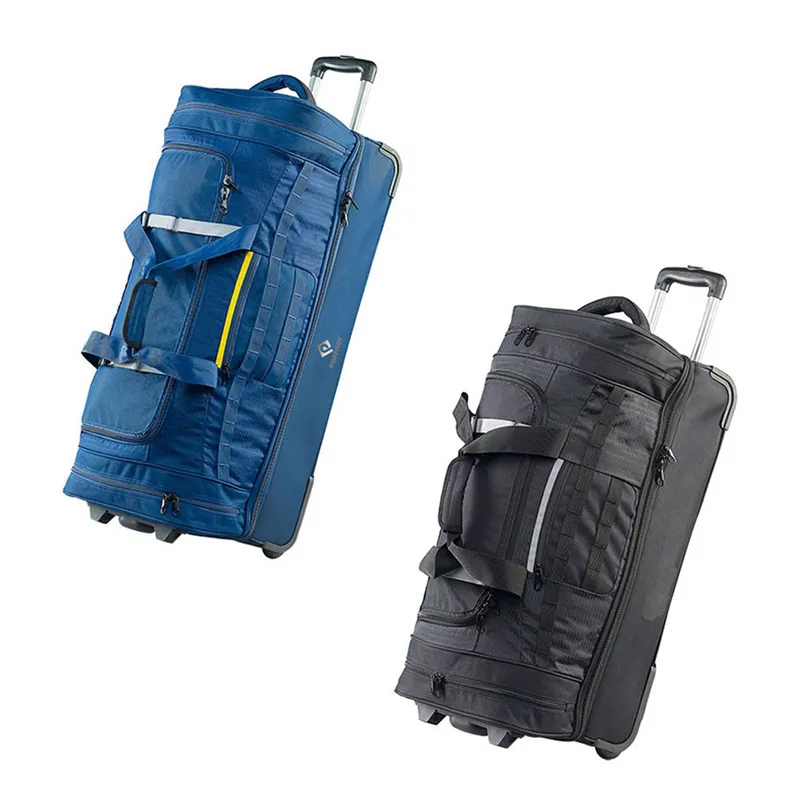
Your large capacity duffel bag with wheels should match your workout routine. If you lift heavy weights, you need a shoe pocket for lifting shoes. A bag with air holes keeps your gear fresh. Many pockets help you organize bands, straps, and belts. Strong materials like ripstop nylon or thick polyester last a long time. A 20–30L bag works for the gym. Bigger bags are good for trips. Wet clothes and electronics need their own spots. This keeps your bag clean and neat.

Feature

Description

Shoe pocket

Keeps shoes separate for lifting

Ventilated design

Cuts down on sweat and smell

Multi-compartment

Holds bands and lifting gear

Durable materials

Stands up to daily gym use

Tip: Put out your gym gear before you pack. You will see what fits and what you need for bands or lifting.


Personal Style & Preferences

Your gym bag can show your style. Yoga fans like black and white bags with mat straps. Some people want soft duffel bags that work for sleepovers too. Eco-friendly buyers pick washable canvas bags. These bags help the planet. If you like backpacks, choose waterproof nylon bags with a spot for a laptop. Wet pockets are good for sweaty clothes and look cool too. Some bags let you add your own designs. You can pick a bag that fits your style and makes you happy.

  • Trendy bags work for yoga and lifting.

  • Eco bags are great for bands and weights.

  • Custom bags let you show your style.

Your gym bag should fit your workout, lifting needs, and style. You can find a duffel bag that helps you train and looks good too.


When you pick a gym duffel bag, focus on what matters most:

  • Easy organization with smart compartments and wide openings.

  • Strong materials and tough stitching for daily use.

  • Comfortable straps and handles for easy carrying.


Think about your workout habits. Your routine shows what size and features you need. Check out this table to avoid common mistakes:

Mistake

How to Avoid

Too small or too big

Match bag size to your essentials

Weak materials

Pick reinforced nylon or polyester

Not enough pockets

Choose bags with many compartments


Choose a bag that fits your life. You’ll feel ready for every workout!


FAQ

What size gym duffel bag should I get?

You should pick a bag that fits your gear. Lay out your clothes, shoes, and extras. If everything fits with room to spare, you found the right size.


How do I keep my gym bag smelling fresh?

Tip: Always remove sweaty clothes after your workout. Use a mesh laundry bag for dirty items. Air out your bag at home. You can add a dryer sheet for a fresh scent.


Can I wash my gym duffel bag in the washing machine?

Check the label first. Most nylon and polyester bags are machine washable. Leather and canvas bags need hand washing. Always air dry your bag to keep its shape.


What features help organize my gym bag?

Feature

Benefit

Multiple pockets

Keeps gear separated

Shoe compartment

Protects clean clothes

Zip pockets

Secures valuables


You can use packing cubes or mesh bags for extra organization.

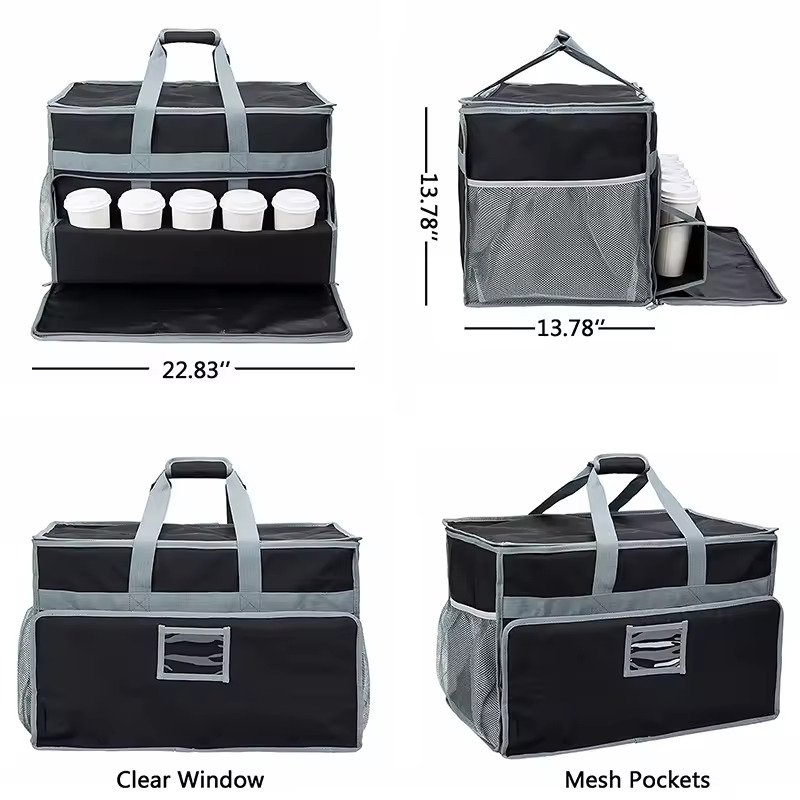
What Makes a Food Delivery Bag with Cups Holder Essential for Drivers

If you deliver food, you know how tricky it gets to keep everything neat and hot. A waterproof insulated food delivery bag with cup holders solves a lot of headaches. Drinks stay upright, food stays warm, and you avoid messy spills. You want a bag that feels sturdy and keeps your orders organized. When you use a professional-grade insulated bag, your deliveries look sharp and your performance stands out. These bags help you deliver with confidence, every single time.


Key Features of Food Delivery Bag with Cups Holder

Integrated Cup Holders

It is hard to deliver drinks without spilling them. That is why drink holders are important. A custom logo food delivery bag with cup holders keeps drinks standing up and safe. You do not have to worry about coffee or soda falling over when you drive. The built-in drink holders give each cup its own place, so nothing moves around. This lets you bring hot and cold drinks together, and they will stay just like you packed them.


Here is a quick look at how integrated cup holders help:

Feature

Description

Built-In Cup Holder

Holds single or multiple cups securely in place

Stability & Support

Keeps cups upright and prevents spills

You feel calm, and your customers get their drinks with no mess.


Insulated Design for Food and Drinks

Keeping food and drinks the right temperature is important. You want your food to stay hot and your drinks to stay cold. An insulated delivery bag uses strong layers to keep heat or cold inside. Panway’s lightweight insulated delivery bag with cup holders uses thick foam and shiny foil to keep food hot and drinks cold for a long time. The bag’s leak-proof lining also stops water from getting in or out.

Let’s see why insulation matters:

  • Strong insulation keeps hot food above 140°F for up to four hours.

  • Cold drinks stay below 50°F with ice packs.

  • Metalized foil and foam layers reflect heat and keep cold air inside.

You can trust your food delivery bag to keep every order at the right temperature.


Durable and Versatile Construction

You need a bag that will last a long time. The best food delivery bag uses tough materials that do not rip easily. Panway’s bag has strong stitching, heavy zippers, and Oxford fabric that is very strong. The handles make it easy to carry, even if you work for many hours. You get support for your back and your hands do not get tired. The bag fits on bikes, scooters, or in cars, so you can bring food any way you want.


Check out these key features:

Feature

Description

Waterproof & Durable

600D/420D Oxford fabric with waterproof lining

Premium Thermal Insulation

Multi-layer foam and foil for strong insulation

Heavy-Duty & Long-Lasting

Reinforced seams, strong handles, and durable zippers

Multiple Compartments

Organize hot and cold items separately

With a food delivery bag like this, you get a bag that is strong, comfortable, and can carry hot and cold food easily.


Practical Benefits for Delivery Drivers

Spill Prevention and Cleanliness

You know how frustrating it feels when drinks spill during a delivery. A food delivery bag with cups holder changes that. You get a secure spot for every cup, so nothing tips over. This means you do not have to worry about sticky messes in your car or on your customer’s doorstep. You keep your vehicle clean, and your orders look neat every time.

Here’s how these bags help you stay clean and professional:

  • Cup holders give you a safe way to carry several drinks at once.

  • You avoid spills, which keeps your car and the bag spotless.

  • Customers see that you care about their order and trust you more.

When you use a bag with a strong cup holder, you show that you value quality and safety. This simple step builds trust with your customers and helps you stand out from other drivers.


Efficient and Organized Deliveries

You want to deliver food fast and keep everything in order. The right food delivery bag helps you do both. You can pack hot food, cold drinks, and even desserts in separate sections. The insulated layers keep everything at the right temperature, so food quality stays high from the restaurant to the customer’s door.

Let’s look at what makes your job easier:

  • Multiple compartments let you organize hot and cold items.

  • Insulated walls keep food hot and drinks cold for hours.

  • Reinforced handles make carrying the bag comfortable, even on long shifts.

  • Fixing straps keep the bag steady on bikes, scooters, or in your car.

You save time because you do not have to stop and rearrange items. You grab the bag, deliver the order, and move on to the next one. This kind of organization boosts your performance and helps you finish more deliveries in less time.


Enhanced Customer Satisfaction

Happy customers mean better tips and more repeat orders. When you use the best food delivery bag, you show that you take your job seriously. Customers notice when their food arrives hot, drinks are upright, and nothing is missing. They feel confident that their meal is safe and untouched.

Here’s why customers love when you use a professional bag:

  • The bag shows you care about food protection and quality.

  • Sealed, insulated bags make customers feel safe, especially after the pandemic.

  • Food delivery platforms often give these bags to drivers because they know it improves service.

You build a strong reputation by using the best food delivery bag. You keep food quality high, drinks safe, and customers happy. This leads to better reviews and more opportunities for you.


Food Delivery Bag vs. Standard Bags


Common Issues with Regular Bags

You might think any bag can do the job, but regular bags often let you down. They do not have special spots for drinks, so cups tip over and spill. You end up with wet food and unhappy customers. Most standard bags do not have strong insulation. Hot food cools down fast, and cold drinks get warm. You lose the fresh taste and quality your customers expect.

Regular bags also get messy. Leaks and condensation can soak through the bottom. You spend extra time cleaning up after each delivery. These bags usually have weak handles and thin material. They rip or wear out quickly, especially if you deliver a lot. You want a bag that can handle busy shifts and keep everything safe.


Here’s a quick look at the problems with regular bags:

Problem

Impact on Delivery

No cup holders

Spilled drinks, mess

Poor insulation

Food loses temperature

Weak material

Tears, short lifespan

No leak control

Wet orders, extra cleanup


How Cup Holders and Insulation Make a Difference

A food delivery bag with cups holder changes your whole delivery game. You get a high-performance delivery bag that keeps everything in place. The cup holders secure your drinks, so you do not worry about spills. You can carry more items at once and still keep your orders neat.

The insulated layers in a food delivery bag keep hot food hot and cold drinks cold. You deliver meals that taste just like they came out of the kitchen. The insulation also stops moisture and leaks from ruining your orders. You do not have to clean up sticky messes or deal with soggy bags.

Here’s why a food delivery bag stands out:

  • Cup holders keep drinks upright and safe.

  • Insulated walls maintain the right temperature for hours.

  • Moisture control stops leaks and keeps food fresh.

  • Durable design means your bag lasts longer and works better.

You want your performance to shine. When you use an insulated food delivery bag, you show customers you care about quality. You save time, avoid messes, and deliver every order with confidence. That is why the best food delivery bag includes these features. You get a bag that works as hard as you do.


Real-World Scenarios and Use Cases


Delivery Challenges Solved

You face many challenges when you deliver food. Drinks spill, hot meals cool down, and orders get mixed up. An insulated food delivery bag solves these problems. You keep pizza hot and drinks cold. You stop spills with cup holders. You organize every order so nothing gets lost.

Imagine you pick up a large pizza and four sodas. You place them in your bag. The insulated walls keep the pizza warm. The cup holders hold each drink steady. You ride your bike or drive your car. The bag stays stable. You arrive at the customer’s door. The food quality is perfect. The drinks are upright. The customer smiles.

Here’s a quick list of delivery challenges you solve with the best food delivery bag:

  • Spilled drinks

  • Cold food

  • Mixed-up orders

  • Wet bags from leaks


Why Choose the Best Food Delivery Bag

You show customers you care about their meal. You keep food quality high. You deliver hot pizza and cold drinks every time.


Let’s look at some situations where this bag is essential:

Scenario

How the Bag Helps

Rainy weather

Insulated layers keep food dry

Long delivery routes

Food stays hot for hours

Multiple orders

Cup holders prevent spills

Bike or scooter delivery

Fixing straps keep bag stable


You stop spills and keep every order neat. You show customers you care when you use an insulated food delivery bag. You get a bag that lasts and works for every shift. You can trust an insulated bag to protect your orders. You stand out with a food delivery bag.


FAQ

How do cup holders help during delivery?

Cup holders keep drinks upright. You avoid spills and messes. Your customers get their drinks just like you packed them. You save time cleaning up and feel more confident with every order.


Is the bag easy to clean?

You can wipe the bag’s outer layer with a damp cloth. The waterproof lining stops leaks. You spend less time cleaning and more time delivering.


Will the bag fit on my bike or scooter?

Most delivery bags have fixing straps and reinforced handles. You can secure the bag on bikes, scooters, or in your car. You deliver safely and keep your orders stable.