Mountaineering Climbing Backpack Are You Choosing Right?
Contents
Fit stands as the single most important factor when you choose a waterproof mountaineering climbing backpack for sports. If your pack feels wrong, every step gets harder. Think about your own climbing style. Are you just starting out or have you already tackled big routes?
-
Beginners often do well with simple, affordable packs that cover the basics. The Petzl Cliff 36L, for example, keeps things practical with features like a built-in rope tarp.
-
More advanced climbers usually know their needs and may want something specialized for their goals.
No matter your level, you deserve the best mountaineering backpack for your adventures. Let’s make sure you pick the right one for you!
Define Your Climbing Needs
Before you pick a mountaineering climbing backpack, you need to get clear about your goals. Ask yourself: What kind of trips do you want to take? How long will you be out? What gear do you need to bring? These questions help you avoid buying the wrong pack.
Trip Length
Trip length matters a lot. You don’t want a huge pack for a short climb, and you don’t want to run out of space on a long trip. Check out this table to match your trip with the right backpack size:
|
Trip Length |
Recommended Capacity |
|---|---|
|
Day trips |
20 to 30 liters |
|
Weekend (1-3 nights) |
30 to 50 liters |
|
Multi-day (3-5 nights) |
50 to 80 liters |
|
Extended (5+ nights) |
70 liters or larger |
If you plan to try different types of climbing packs, you might need more than one backpack for different adventures.
Terrain & Season
Think about where and when you’ll climb. Terrain changes everything. Steep trails need a stable pack that keeps weight close to your body. Rocky paths call for tough materials that won’t rip. Here’s what to look for:
-
Packs with good stability help you save energy on rough ground.
-
Durable packs keep their shape and protect your gear.
-
Ventilated backs help you stay cool in hot weather.
Winter climbs need special attention. For cold and wet conditions, choose a pack like the Arc’teryx Alpha FL 30. It’s waterproof and comfortable, so you stay dry and focused.
Technical Gear
Your gear list shapes your pack choice. Some types of climbing packs have features for ice axes, crampons, or hydration bladders. Here’s a quick look at what you might need:
|
Feature |
Why It Matters |
|---|---|
|
Ice-axe attachment |
Securely carries ice tools |
|
Crampon pouch |
Keeps sharp gear separate from clothes |
|
Reservoir sleeve |
Lets you drink water on the go |
|
Easy-access pocket |
Keeps snacks or maps handy |
Pick a pack that matches your technical needs. This way, you’ll stay organized and ready for anything.
Mountaineering Climbing Backpack Features
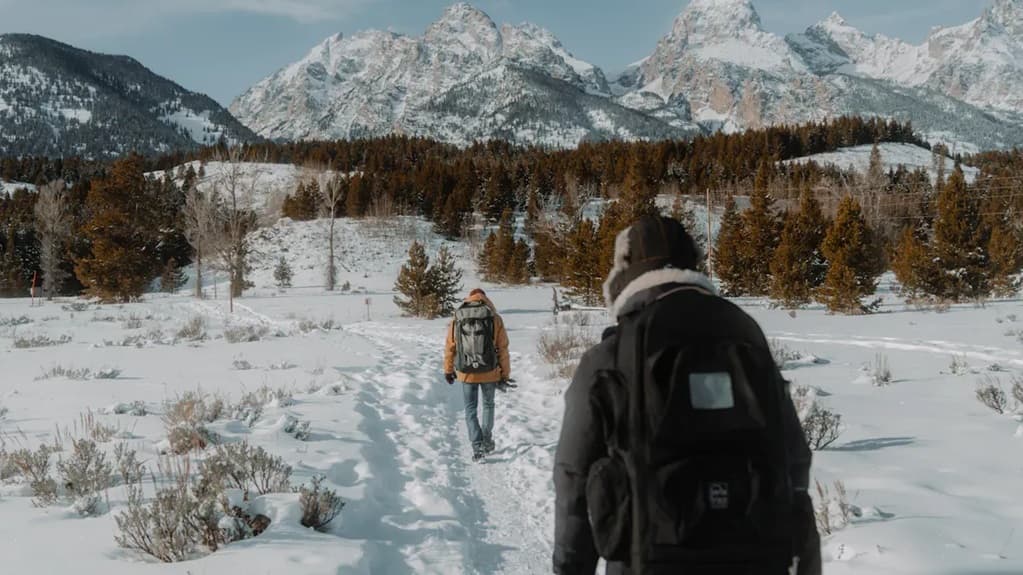
When you pick a mountaineering climbing backpack, you should know what features to look for. The right pack fits your needs and keeps your gear safe. It also helps you move easily and stay comfortable. Let’s look at the most important features.
Capacity & Size
You need to choose a climbing pack that matches your trip. If your pack is too small, you might leave gear behind. If large insulation mountaineering climbing backpack is too big, you carry extra weight you don’t need. Here’s a table to help you pick the right size:
|
Backpack Type |
Capacity (liters) |
Climbing Activity |
|---|---|---|
|
Daypack |
0 - 10 |
Essential for short outings |
|
Day trips or sport climbing |
20 - 40 |
Enough for essentials needed for the day |
|
Overnight Trips or Extended Day Hikes |
10 - 30 |
Suitable for overnight gear |
|
Ultra-Light Thru-Hike, Weekend Trip |
30 - 50 |
Good for lightweight adventures |
|
Multi-day climbing trips |
40 - 70 |
Suitable for gear, clothing, food, and sleeping kit |
|
Multi-Day Backpacking |
50 - 70 |
Ideal for extended trips |
|
Winter Multi-Day Trip or Hiking Guide |
70+ |
For extensive gear and supplies |
Think about how long your trip will be and what you need to bring. If you need to carry ropes or extra clothes, pick a bigger pack. For short climbs, a smaller mountaineering climbing backpack is better.
Weight & Packability
Weight is very important. A heavy mountaineering climbing backpack makes you tired faster. Lighter packs help you move quicker and save energy. This table shows how pack weight changes your hiking time:
|
Pack Weight |
Time Taken (15 miles) |
Time Difference |
|---|---|---|
|
22 lb |
5 hours 36 minutes |
N/A |
|
15 lb |
4 hours 31 minutes |
1 hour 5 minutes |
Packability means how easy it is to organize your gear. Look for packs with pockets, loops, and straps. Packs with quick-access pockets and a good fit make climbing easier. Materials like X-Pac and Kevlar-reinforced bottoms keep your pack strong but light.
Frame & Support
A strong frame is important in a breathable mesh back panel mountaineering pack. Frames help spread out the weight so your shoulders and hips don’t hurt. Some packs have frames inside for more support. Others let you take the frame out for lighter trips. Padded straps and mesh backs make the pack more comfortable. Compression straps on the sides keep your load steady. If you carry heavy things, you need a strong frame.
Material Durability
Durability keeps your mountaineering backpacks safe from rips and rough ground. High-denier materials like nylon ripstop last longer. Here’s a table with some common materials:
|
Backpack Model |
Material Type |
Denier Rating |
|---|---|---|
|
Ascensionist |
210-denier nylon ripstop |
210 |
|
Blue Ice Wadi 15 |
1000-denier high tenacity nylon 6,6 |
1000 |
A higher denier number means the fabric is tougher. If you climb on rocks or carry sharp gear, pick a pack with a high denier. Waterproof coatings also help keep your gear safe.
Weatherproofness
Weather can change fast. Mountaineering backpacks should keep your gear dry. Packs with waterproof coatings and sealed zippers work best. Here are some weatherproof options:
|
Backpack Model |
Material & Coating |
Water Resistance Level |
|---|---|---|
|
Mountain Hardwear Simcoe 28 |
Nylon with TPU coating, YKK AquaGuard zippers |
Extremely water-resistant |
|
Matador Freerain22 |
Nylon with UTS waterproof coating |
Highly water-resistant |
|
Patagonia Black Hole Pack 32L |
300D recycled polyester ripstop with TPU coating |
Highly water-resistant |
Look for packs with waterproof zippers and strong coatings. If you climb in rain or snow, weatherproofness is very important.
Streamlined Design
A streamlined design makes your mountaineering climbing backpack easier to use. Alpine packs often open from the top so you can grab gear fast. Lighter fabrics keep the pack weight low. Simple closing systems are easy to use with gloves, which is great in winter.
Tip: Streamlined packs have fewer places to snag and help you move through tight spots.
Gear Attachments
You need a mountaineering climbing backpack with the right gear attachments. Special pockets for ice axes, helmets, and ropes keep your gear safe. Helmet carry systems help when you cross glaciers. Outside gear loops and pockets let you grab tools quickly. Crampon pouches keep sharp gear away from your clothes.
-
Ice axe loops
-
Helmet carry system
-
Crampon pouch
-
External gear loops
If you climb on tough ground, these features help you stay organized and ready.
Mountaineering backpacks have many features. Pick the ones that fit your climbing style. Think about how tough, comfy, and weatherproof the pack is. The right mountaineering climbing backpack makes your trip safer and more fun.
Climbing Pack Fit & Comfort
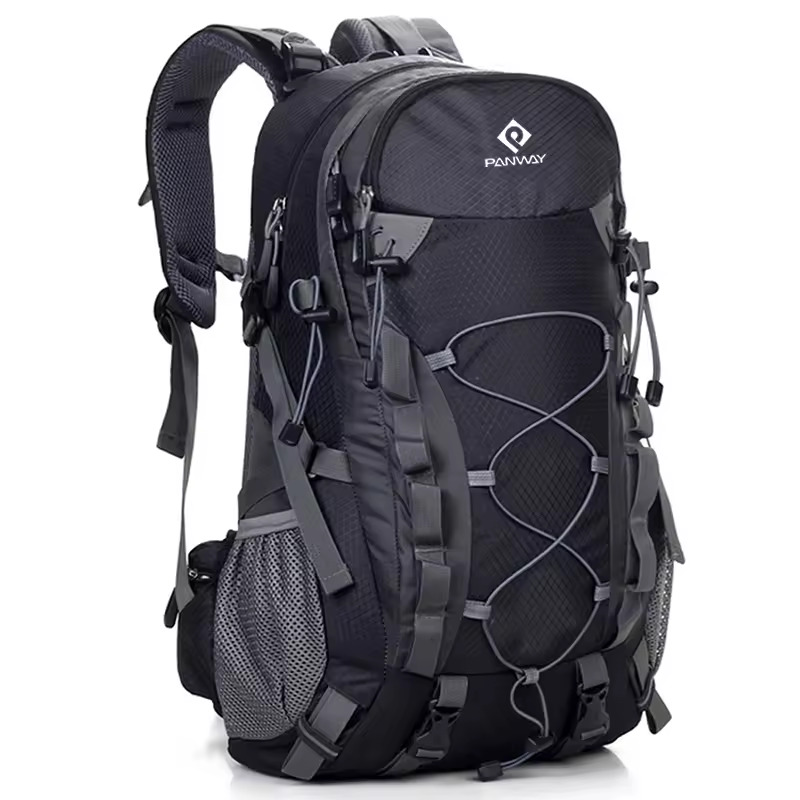
Getting the right fit for your mountaineering climbing backpack can make or break your trip. If your pack feels wrong, you’ll notice it with every step. Let’s break down how you can make sure your backpack fits you perfectly.
Torso Measurement
You need to know your torso length before you buy a pack. Here’s a simple way to measure it:
-
Tilt your head forward and find the bony bump at the base of your neck. This is your C7 vertebra.
-
Place your hands on the top of your hip bones (iliac crest) and draw an imaginary line between your thumbs across your back.
-
Have a friend measure the distance from the C7 vertebra down to that line. That’s your torso length!
Most packs come in different sizes based on torso length. Always check the size chart before you buy.
Harness Adjustment
Once you know your torso length, adjust the harness so the shoulder straps sit snugly on your shoulders. The hip belt should rest on your hip bones, not above or below. Tighten the straps until the pack feels secure but not too tight. Try walking around with some weight in the pack to see how it feels.
Tip: Adjust your harness with the pack loaded. You’ll get a better sense of real-world comfort.
Load Distribution
A good pack fit spreads the weight between your hips and shoulders. This helps you stay comfortable and reduces the chance of injury. When your pack sits right, you feel less strain and move more easily. Proper load distribution also means you’re safer if you slip or fall.
-
You’ll feel less tired.
-
Your back and shoulders won’t ache as much.
-
You lower your risk of getting hurt.
Gender-Specific Fit
Backpacks come in unisex and gender-specific designs. Here’s a quick look at the differences:
|
Feature |
Gender-Specific Backpacks |
Unisex Backpacks |
|---|---|---|
|
Suspension System Design |
Tailored for body shape |
Standard design |
|
Shoulder Harness |
Closer points for women |
Standard spacing |
|
Torso Length |
Typically shorter for women |
Standard length |
|
Hip Belt Design |
Shaped for female anatomy |
Standard design |
|
Volume Differences |
Varies between men’s and women’s |
Generally uniform |
|
Buckle Size |
Smaller and less rigid for women |
Standard size |
|
Color Options |
More feminine colors |
Neutral colors |
If you have a smaller frame or need extra comfort, try a gender-specific pack. Always test the pack fit with weight before you hit the trail.
Practical Tips for Mountaineering Backpacks
Budget & Value
You want a climbing pack that fits your needs and your wallet. Price can range from budget-friendly to high-end. Sometimes, a cheap pack looks good at first, but it may not last long on tough climbs. The best climbing pack gives you real value. It should last for years and keep your gear safe. Think about what features matter most to you. Do you need extra pockets or just a simple design? Make a list of must-haves before you shop.
Tip: Spend a little more for durability and comfort. You will thank yourself on the mountain.
Brand & Warranty
Brand reputation matters when you pick a climbing pack. Panway will test our climbing packs in real conditions. They use strong materials and smart designs. The best climbing pack usually comes from a brand that stands behind its products. Always check the warranty. A good warranty means the company trusts its climbing pack to last. We also can offer repairs or replacements if your pack fails. That can save you money and stress.
Here’s a quick table to help you compare:
|
Brand |
Warranty Length |
Known For |
|---|---|---|
|
Osprey |
Lifetime |
Comfort, repairs |
|
Black Diamond |
1-3 years |
Technical features |
|
Arc’teryx |
Limited |
High durability |
User Reviews
User reviews give you real feedback on a climbing pack. Other climbers share what works and what does not. Look for reviews that mention the best climbing pack for your type of trip. Pay attention to comments about fit, comfort, and how the pack holds up over time. If many people like a certain climbing pack, it is probably a good choice. You can also ask friends or local climbing groups for advice.
Note: Reviews help you avoid mistakes and find the best climbing pack for your next adventure.
Avoiding Common Climbing Pack Mistakes
Overpacking
You might think bringing extra gear will keep you safe, but overpacking often does the opposite. Heavy mountaineering packs slow you down and drain your energy. When you carry too much, you lose balance and move less smoothly on tricky terrain. Expedition packs are designed for long trips, but even then, you should only pack what you truly need. Make a checklist before each trip. Lay out your gear and ask yourself, “Will I use this?” If not, leave it behind. Your back and legs will thank you later.
Tip: Try a practice hike with your loaded pack. You’ll quickly notice if you packed too much.
Ignoring Fit
Fit matters more than you might think. If your mountaineering packs do not fit right, you can end up with sore shoulders, a stiff neck, or even back pain. Here’s what can happen when you ignore fit:
-
You might develop poor posture, which strains your neck, shoulders, and lower back.
-
Bad weight distribution causes muscle fatigue, especially if heavy items are far from your spine.
-
If the hip belt sits wrong, your shoulders take all the weight, leading to discomfort or injury.
To avoid these problems:
-
Make sure the hip belt sits squarely on your hips.
-
Pack heavy items like water and food close to your spine and in the middle of the pack.
A good fit keeps you comfortable and helps you move with confidence, whether you use small mountaineering packs or large expedition packs.
Choosing Style Over Function
It’s easy to get drawn in by cool colors or trendy designs, but style should never come before function. Some mountaineering packs look great but miss key features like strong pockets, good ventilation, or smart weight distribution. Professional guides warn that these missing features can make your climb harder and less safe. Always check if the pack has what you need for your trip. Choose function first, and you’ll have a safer, more enjoyable adventure.
Remember: The best mountaineering packs keep you safe, comfortable, and ready for anything.
Choosing the right mountaineering pack can make your adventure safer and more fun. Here’s a quick checklist to guide you:
-
Focus on comfort and fit—try different mountaineering pack options and check pack sizing.
-
Load your mountaineering pack correctly for balance.
-
Pick a mountaineering pack with a strong frame and simple features.
-
Look for durability and weatherproofing in your mountaineering pack.
-
Test your mountaineering pack before your trip.
A good mountaineering pack keeps you safe, comfortable, and ready for any climb. Go try one on and get ready for your next adventure!
FAQ
How do I know if my backpack fits right?
Try the pack on with some weight inside. The hip belt should sit on your hips. The shoulder straps should hug your shoulders. Walk around and see if it feels comfortable.
What size backpack do I need for a day climb?
Most day climbs only need a pack between 20 and 30 liters. You can fit water, snacks, a jacket, and basic mountaineering gear in this size.
Can I use a regular hiking backpack for mountaineering?
You can use a hiking backpack for easy trails. For technical climbs, you need a pack made for mountaineering. These packs have special features for ropes, ice axes, and better support.
How do I keep my gear dry in bad weather?
Look for a backpack with a waterproof cover or sealed zippers. You can also pack your things in dry bags. This keeps your stuff safe from rain or snow.
What is the best way to organize my pack?
Put heavy items close to your back. Use outside pockets for things you need fast, like snacks or a map. Keep sharp tools in special pouches or sleeves.